Punta Cana · Know the coast before you go.
Understanding the Safety of Punta Cana's Beaches: Are Sharks a Real Threat?
Discover the truth about shark safety in Punta Cana's beaches. Learn about natural barriers and statistics that ensure a safe beach experience.
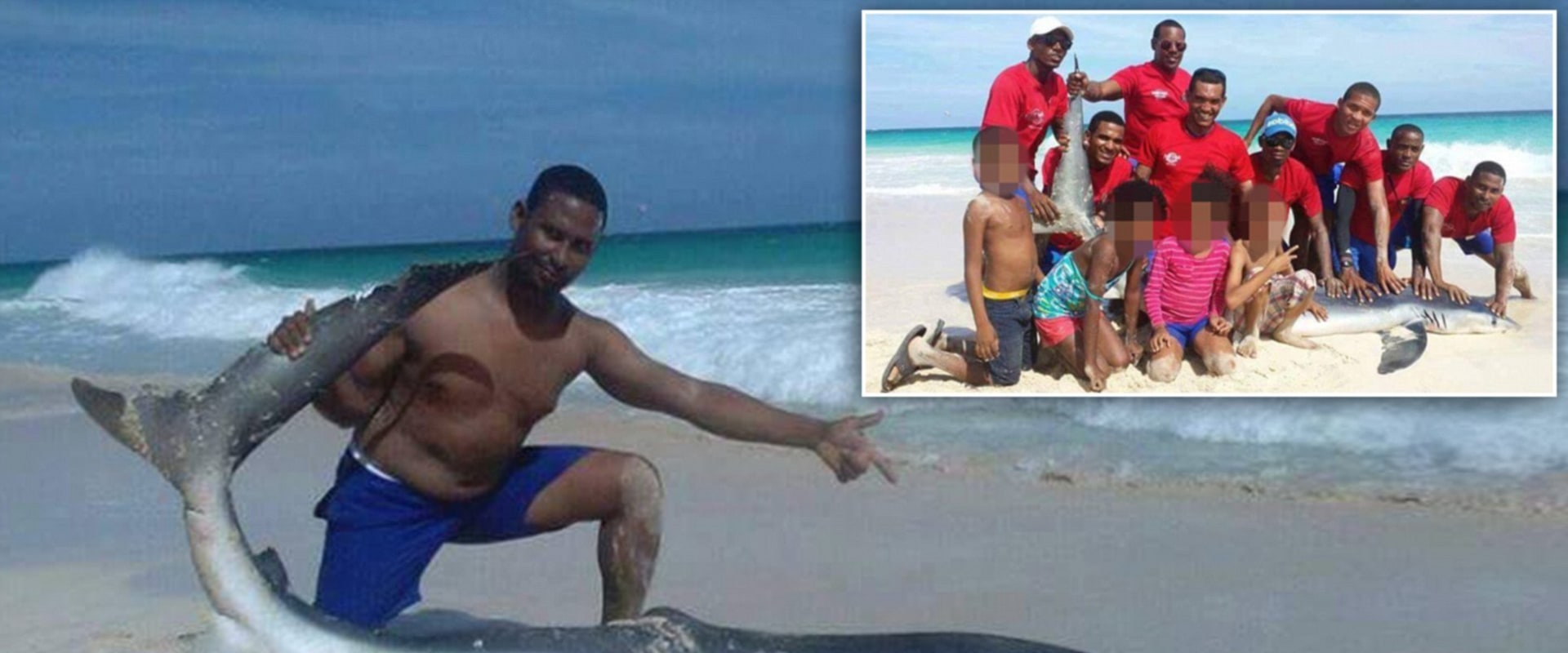
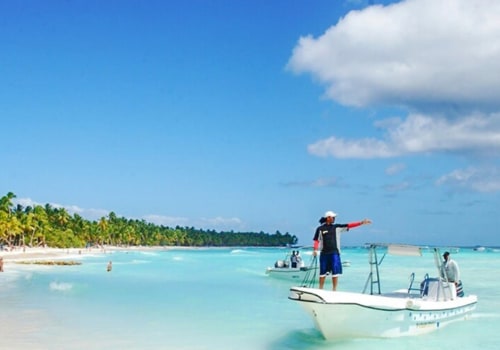
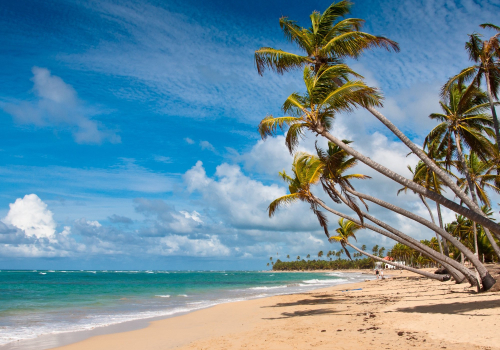
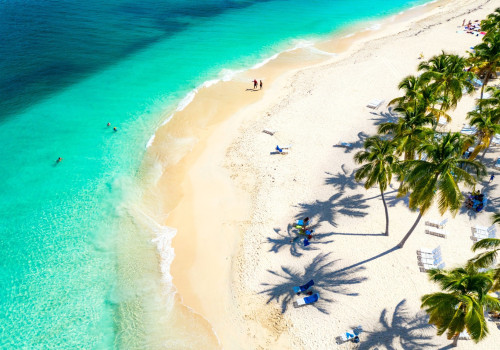
Punta Cana, located on the eastern tip of the Dominican Republic, is renowned for its stunning beaches, crystal-clear waters, and vibrant marine life. This tropical paradise attracts millions of visitors each year, eager to bask in the sun and indulge in various water activities. However, with the allure of these beautiful shores comes a common concern: the presence of sharks in the surrounding waters. Many beachgoers wonder if these majestic creatures pose a threat to their safety while enjoying the ocean. While it’s natural to have apprehensions about marine life, it’s essential to understand the unique ecological characteristics of Punta Cana's coastline. Punta Cana, located on the eastern tip of the Dominican Republic, is renowned for its stunning beaches, crystal-clear waters, and vibrant marine life. This tropical paradise attracts millions of visitors each year, eager to bask in the sun and indulge in various water activities. However, with the allure of these beautiful shores comes a common concern: the presence of sharks in the surrounding waters. Many beachgoers wonder if these majestic creatures pose a threat to their safety while enjoying the ocean. While it’s natural to have apprehensions about marine life, it’s essential to understand the unique ecological characteristics of Punta Cana's coastline.
The region is bordered by a protective coral reef that serves as a natural barrier, significantly reducing the likelihood of shark encounters near the beaches. This reef not only supports a diverse array of marine species but also plays a crucial role in maintaining the health of the local ecosystem. As a result, visitors can enjoy swimming, snorkeling, and diving without the constant worry of shark threats. Moreover, statistics reveal that shark attacks are exceedingly rare in Punta Cana and throughout the Dominican Republic. The waters here are generally safe for recreational activities, allowing tourists to immerse themselves in the beauty of the ocean without fear.
Understanding this context is vital for anyone planning a trip to Punta Cana, as it helps to alleviate concerns and encourages visitors to explore the rich marine environment that this destination has to offer.
The Geography of Punta Cana: A Natural Barrier Against Sharks
Punta Cana, located on the eastern tip of the Dominican Republic, is renowned for its stunning beaches and crystal-clear waters. However, what many visitors may not realize is that the geography of this tropical paradise plays a crucial role in ensuring the safety of its beachgoers. One of the most significant geographical features of Punta Cana is its extensive coral reef system, which acts as a natural barrier against potential threats, including sharks. The coral reefs surrounding Punta Cana are not just beautiful; they are vital to the local ecosystem. These reefs provide a habitat for a diverse range of marine life, including colorful fish, sea turtles, and various invertebrates.More importantly, they serve as a protective shield for the beaches and shallow waters where tourists often swim and engage in water sports.
How Coral Reefs Protect Punta Cana's Beaches
- Physical Barrier: The coral reefs create a physical barrier that limits the movement of larger marine predators like sharks. This natural formation helps to keep these creatures at bay, ensuring that they do not venture close to the popular swimming areas.
- Habitat for Smaller Species: The reefs support smaller fish species that thrive in these environments. By maintaining a healthy population of smaller fish, the reefs help to balance the marine ecosystem and reduce the likelihood of larger predators coming into contact with beachgoers.
- Water Clarity and Safety: The presence of coral reefs contributes to clearer waters by filtering sediments and pollutants. This clarity not only enhances the beauty of Punta Cana but also allows swimmers to see their surroundings better, further increasing safety.
These features create an environment where sharks are less likely to hunt or roam, making it safer for families and individuals looking to enjoy the sun and surf. While it is essential to acknowledge that sharks do inhabit the waters surrounding the Dominican Republic, their presence near Punta Cana's beaches is minimal due to these natural barriers. The combination of coral reefs and favorable geographical conditions ensures that visitors can enjoy their time at the beach without unnecessary worry about shark encounters. In conclusion, the geography of Punta Cana, particularly its coral reef systems, plays a pivotal role in safeguarding beachgoers from potential shark threats. By understanding these natural barriers, visitors can feel more at ease while enjoying all that this beautiful destination has to offer.
Types of Sharks Found in Dominican Waters
The waters surrounding the Dominican Republic, particularly around Punta Cana, are home to a variety of shark species. While these magnificent creatures inhabit the ocean, it is essential to understand that their presence does not pose a significant threat to beachgoers.Here’s a closer look at some of the shark types that can be found in these waters:
- Caribbean Reef Shark : This species is commonly found in the Caribbean Sea and is known for its sleek body and distinctive dorsal fin. While they can be curious, they are generally not aggressive towards humans.
- Blacktip Reef Shark : Recognizable by the black tips on their fins, these sharks are often seen in shallow waters. They are known for their playful behavior and are more likely to swim away from humans than approach them.
- Nurse Shark : Typically found resting on the ocean floor, nurse sharks are docile and often ignored by divers and swimmers. They have a unique appearance with a flattened body and can grow quite large.
-
Hammerhead Shark : While hammerheads are present in deeper waters around the Dominican Republic, they are rarely seen near the beaches of Punta Cana.
These sharks are known for their distinctive head shape and are generally not a threat to humans.
- Great White SharkGreat White Shark : Although great whites inhabit various oceanic regions, sightings near Punta Cana are extremely rare. They prefer cooler waters and tend to stay far from popular tourist beaches.
With proper awareness and respect for marine life, tourists can safely experience all that this stunning destination has to offer.
Shark Attacks: Statistics and Reality in Punta Cana
When considering a vacation in Punta Cana, many travelers may have concerns about the safety of swimming in its beautiful waters, particularly regarding the presence of sharks. However, understanding the statistics surrounding shark attacks can help alleviate these fears and provide a clearer picture of the reality. According to data from the International Shark Attack File (ISAF), shark attacks are exceedingly rare in the Dominican Republic, including Punta Cana. In fact, the entire country has recorded only a handful of unprovoked shark attacks over the past several decades. To put this into perspective:- From 1580 to 2021, there have been fewer than 10 confirmed unprovoked shark attacks in the Dominican Republic.
- Of these incidents, none have resulted in fatalities, highlighting the low risk associated with swimming in these waters.
- In comparison, popular beach destinations like Florida report hundreds of shark attacks each year, making Punta Cana one of the safest options for beachgoers.
The majority of sharks found near Punta Cana are small and pose no threat. The most commonly sighted species include:
- Caribbean Reef Sharks : Generally shy and avoid human interaction.
- Nurse Sharks : Known for their docile nature and often found resting on the ocean floor.
- Hammerhead Sharks : While they can be large, they typically do not pose a threat to swimmers.
- Swim in designated areas monitored by lifeguards.
- Avoid swimming during dawn or dusk when sharks are more active.
- Refrain from wearing shiny jewelry that may attract sharks.
Comparative Analysis: Shark Threats in Other Popular Beach Destinations
When considering the safety of beach destinations, it is essential to analyze the prevalence of shark attacks in various locations.While Punta Cana is renowned for its stunning beaches and vibrant marine life, it stands out as a remarkably safe option compared to other popular beach destinations that have reported higher incidences of shark encounters. For instance, Florida's beaches , particularly those along the Atlantic coast, are known for their beautiful shorelines but also for a higher frequency of shark attacks. Beaches like New Smyrna Beach have earned the nickname "Shark Attack Capital of the World" due to the number of incidents reported each year. The combination of warm waters, abundant marine life, and a high volume of surfers and swimmers creates an environment where sharks are more likely to come into contact with humans. In contrast, Punta Cana benefits from its unique geographical features. The surrounding coral reefs act as a natural barrier, significantly reducing the likelihood of sharks approaching the shoreline.
This natural protection not only enhances the safety of swimmers but also contributes to the vibrant ecosystem that attracts tourists seeking snorkeling and diving experiences. Another notable comparison can be made with Hawaii , where shark attacks are also more common. The islands' warm waters and diverse marine habitats draw both sharks and water enthusiasts alike. While Hawaii offers breathtaking scenery and rich cultural experiences, beachgoers must remain vigilant about potential shark encounters. In summary, while many popular beach destinations face challenges related to shark safety, Punta Cana remains a beacon of tranquility. Its natural barriers and lower incidence of shark attacks make it an ideal choice for families and individuals looking to enjoy the ocean without the worry of encountering these majestic yet potentially dangerous creatures.
Safety Measures for Tourists at Punta Cana Beaches
When visiting the stunning beaches of Punta Cana, ensuring your safety while enjoying the sun and surf is paramount.Here are some essential safety measures that tourists should consider:
- Swim in Designated Areas: Always adhere to local guidelines by swimming only in designated areas. These zones are monitored for safety and are typically marked by buoys or flags. Avoid venturing into unmarked waters, as they may pose risks from currents or marine life.
-
Observe Warning Flags: Pay attention to the beach warning flags that indicate water conditions. A green flag signifies safe swimming, while yellow indicates caution.
A red flag means swimming is prohibited due to dangerous conditions.
- Stay Informed About Marine Life: While shark encounters are rare, it’s wise to stay informed about local marine life. Speak with lifeguards or local guides about any recent sightings or warnings regarding jellyfish or other potentially hazardous creatures.
- Use Sunscreen: Protecting your skin from the sun is crucial. Apply a broad-spectrum sunscreen with at least SPF 30, and reapply every two hours, especially after swimming. This will help prevent sunburn and long-term skin damage.
-
Stay Hydrated: The tropical climate can lead to dehydration, so drink plenty of water throughout the day.
Avoid excessive alcohol consumption, as it can exacerbate dehydration and impair your judgment.
- Be Aware of Your Surroundings: Keep an eye on your belongings and be mindful of your surroundings. Use hotel safes for valuables and avoid leaving items unattended on the beach.
- Follow Lifeguard Instructions: Always heed the advice of lifeguards on duty. They are trained professionals who can provide valuable information about current conditions and safety protocols.
Frequently Asked Questions About Sharks in Punta Cana
When planning a trip to Punta Cana, many visitors have questions about the presence of sharks in the surrounding waters.Understanding these marine creatures can help alleviate fears and enhance your beach experience. Here are some frequently asked questions regarding sharks in Punta Cana:
-
Are there sharks in Punta Cana?
Yes, there are sharks in the waters around Punta Cana, but they are typically found far from the shore. The coral reefs that line the coastline serve as a natural barrier, making it unlikely for sharks to venture close to the beaches where tourists swim. -
How dangerous are sharks in Punta Cana?
Shark attacks are extremely rare in Punta Cana. The species that inhabit these waters, such as nurse sharks and reef sharks, are generally not aggressive towards humans.In fact, most sharks prefer deeper waters and avoid areas populated by people.
-
What types of sharks can be found near Punta Cana?
While there are various species of sharks in the region, the most commonly spotted include nurse sharks and Caribbean reef sharks. These species are known for their docile nature and pose little threat to swimmers. -
Should I be worried about swimming in Punta Cana?
No, swimming in Punta Cana is safe. The local authorities monitor the waters regularly, and safety measures are in place to ensure a secure environment for beachgoers. Additionally, the vibrant marine life adds to the beauty of snorkeling and diving experiences. -
What should I do if I see a shark while swimming?
If you encounter a shark while swimming, remain calm.Most likely, it will swim away without any interaction. If you feel uncomfortable, slowly and smoothly swim back to shore without splashing or panicking.
Conclusion: Enjoying the Beaches of Punta Cana with Confidence
As we conclude our exploration of the relationship between sharks and the stunning beaches of Punta Cana, it is essential to reiterate the key points that highlight the safety and enjoyment of this tropical paradise. While it is true that sharks inhabit the waters surrounding the Dominican Republic, their presence does not translate into a significant threat for beachgoers.The natural coral reefs that line the coastline serve as a protective barrier, effectively minimizing encounters between sharks and swimmers. Moreover, statistics reveal that shark attacks are exceedingly rare in this region. The local authorities and marine biologists consistently monitor the waters to ensure a safe environment for both tourists and residents. This proactive approach contributes to the overall peace of mind for those who flock to Punta Cana for its breathtaking beaches and vibrant marine life. Visitors can indulge in a variety of activities, from swimming in crystal-clear waters to engaging in thrilling water sports like snorkeling and diving. The rich biodiversity beneath the waves offers an unforgettable experience, allowing you to witness colorful coral reefs and an array of tropical fish without the worry of shark encounters. To further enhance your beach experience, consider these tips: for its breathtaking beaches and vibrant marine life. Visitors can indulge in a variety of activities, from swimming in crystal-clear waters to engaging in thrilling water sports like snorkeling and diving. The rich biodiversity beneath the waves offers an unforgettable experience, allowing you to witness colorful coral reefs and an array of tropical fish without the worry of shark encounters. To further enhance your beach experience, consider these tips:
- Stay Informed: Always check local advisories and guidelines regarding water safety before heading out.
- Swim in Designated Areas: Stick to areas marked for swimming, as these are monitored for safety.
- Be Mindful of Time: Early morning or late afternoon are typically the best times for swimming, as visibility is clearer.
- Respect Marine Life: Avoid disturbing wildlife and maintain a safe distance from any marine creatures you encounter.
With its stunning landscapes, luxurious resorts, and warm hospitality, there is no reason to let fear overshadow your experience. Embrace the beauty of this tropical haven with confidence, knowing that you can enjoy its pristine beaches without concern for sharks. So pack your bags, grab your sunscreen, and get ready to create unforgettable memories in Punta Cana.