Punta Cana · Know the coast before you go.
The Ultimate Guide to the Best Time to Visit Punta Cana: Weather, Events, and Travel Tips
Discover the best time to visit Punta Cana with insights on weather, local events, and travel tips for an unforgettable experience.
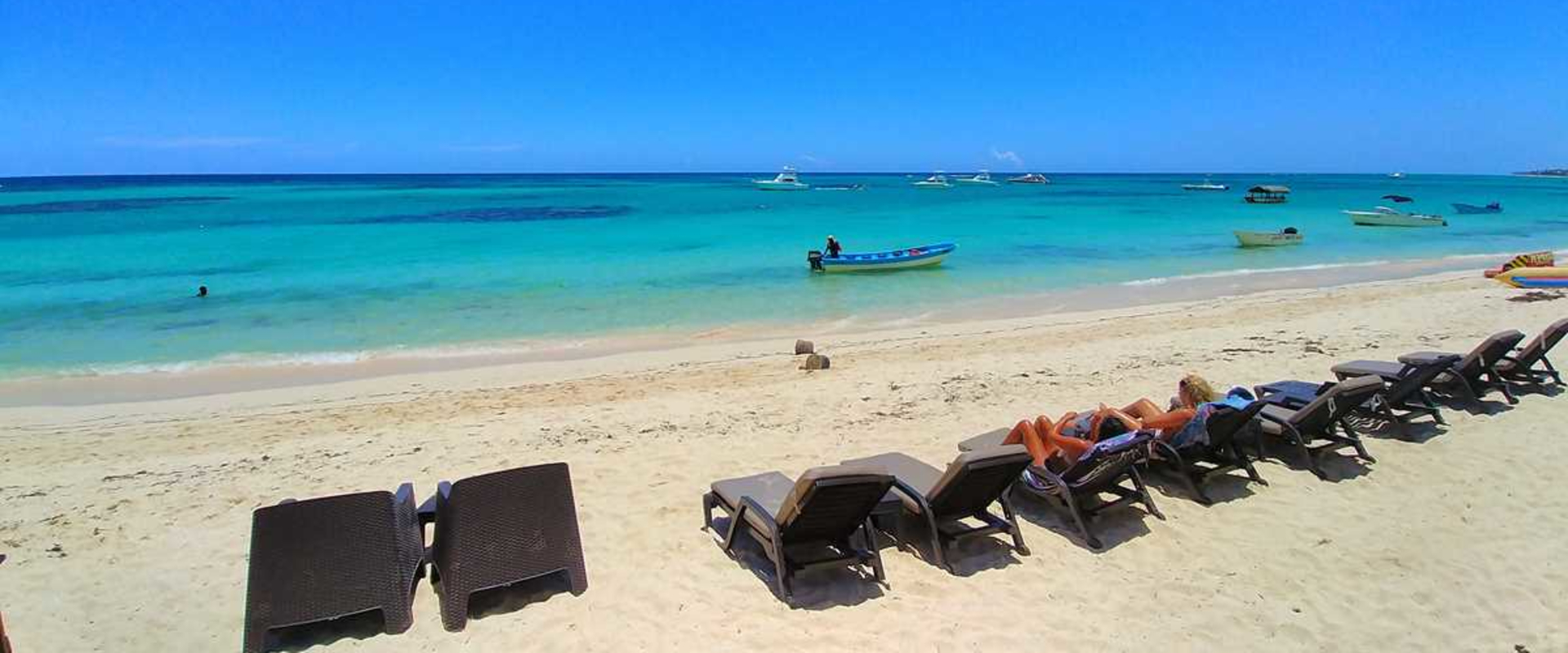
Punta Cana, a breathtaking gem located on the eastern coast of the Dominican Republic, is a dream destination for travelers seeking sun, sand, and vibrant culture. With its stunning beaches lined with swaying palm trees and crystal-clear turquoise waters, it’s no wonder that Punta Cana has become synonymous with tropical paradise. However, to truly make the most of your visit, understanding the Punta Cana, a breathtaking gem located on the eastern coast of the Dominican Republic, is a dream destination for travelers seeking sun, sand, and vibrant culture. With its stunning beaches lined with swaying palm trees and crystal-clear turquoise waters, it’s no wonder that Punta Cana has become synonymous with tropical paradise. However, to truly make the most of your visit, understanding the best time to visit Punta Cana is essential. This knowledge not only enhances your experience but also helps you navigate the varying weather conditions, local events, and crowd levels throughout the year. The climate in Punta Cana is characterized by warm temperatures and a tropical maritime atmosphere, making it an attractive destination year-round.
Yet, the region experiences distinct wet and dry seasons that can significantly impact your travel plans. Whether you’re looking to bask in the sun during peak tourist months or prefer a quieter getaway with fewer crowds, knowing when to visit can help you tailor your trip to your preferences. Additionally, local events and festivals throughout the year offer unique opportunities to immerse yourself in the rich culture of the Dominican Republic. In this comprehensive travel guide, we will explore the various factors that influence the best times to visit Punta Cana. From understanding seasonal weather patterns to discovering local festivities that showcase the vibrant culture of this Caribbean paradise, we aim to equip you with all the information you need for an unforgettable experience.
So pack your bags and get ready to discover why Punta Cana is not just a destination but a journey into a world of beauty and adventure.
Understanding Punta Cana's Climate
Punta Cana, located on the eastern tip of the Dominican Republic, boasts a tropical maritime climate that significantly influences the travel experience. Understanding the nuances of this climate is essential for planning your visit and ensuring you enjoy everything this beautiful destination has to offer. The climate in Punta Cana is characterized by warm temperatures year-round, with average highs typically ranging from 80°F to 90°F (approximately 27°C to 32°C). The region experiences two distinct seasons: the dry season and the rainy season, each offering unique weather patterns that can affect your travel plans. (approximately 27°C to 32°C). The region experiences two distinct seasons: the dry season and the rainy season, each offering unique weather patterns that can affect your travel plans.Dry Season: December to April
The dry season, which spans from December to April, is often considered the best time to visit Punta Cana. During these months, visitors can expect:- Minimal Rainfall: Rain is infrequent, allowing for uninterrupted beach days and outdoor activities.
- Comfortable Temperatures: Average temperatures hover around the mid-80s Fahrenheit (about 29°C), making it ideal for sunbathing and water sports.
- Low Humidity: The humidity levels are lower during this period, enhancing overall comfort.
As a result, it’s advisable to book accommodations and activities well in advance to secure the best options.
Rainy Season: May to November
The rainy season runs from May to November, with peak rainfall typically occurring between August and October. While this period is marked by increased precipitation, it also offers several advantages:- Lower Prices: Accommodations and flights are generally more affordable during these months, making it an attractive option for budget-conscious travelers.
- Fewer Tourists: With fewer visitors, you can enjoy a more relaxed atmosphere at popular attractions and beaches.
- Lush Landscapes: The rain nourishes the local flora, resulting in vibrant greenery that enhances the natural beauty of Punta Cana.
Peak Tourist Seasons in Punta Cana
Punta Cana is a tropical paradise that attracts millions of visitors each year, and understanding the peak tourist seasonspeak tourist seasons is essential for planning an enjoyable trip.The peak seasons in Punta Cana generally align with the winter months in the United States, particularly from December to April. During this time, travelers escape the cold weather and flock to the region to bask in its warm, sunny climate. One of the primary drivers of this surge in visitors is the holiday season. From late December through New Year’s Day, Punta Cana transforms into a bustling hub filled with families and couples seeking relaxation and adventure. Expect higher prices for accommodations and flights during this period, as demand skyrockets.
It’s advisable to book your travel plans well in advance to secure the best deals and availability. Following the holiday rush, February also sees a significant influx of tourists, particularly around Valentine’s Day. Many couples choose this romantic destination to celebrate their love, leading to crowded beaches and fully booked resorts. If you plan to visit during this time, making reservations early is crucial. The spring break season, which typically spans from mid-March to early April, is another peak period for Punta Cana. College students from across North America descend upon the area for sun-soaked vacations filled with parties and festivities.
This influx can create a lively atmosphere at resorts and local attractions but also means larger crowds and potentially higher prices. As spring transitions into summer, visitor numbers begin to decline. However, June marks the start of a more affordable travel period. While June through November is considered the low season due to increased rainfall and hurricane risks, savvy travelers can find great deals on accommodations and activities during these months. In summary, if you’re looking to experience Punta Cana at its busiest and most vibrant, plan your visit between December and April. However, if you prefer a quieter experience with lower prices, consider traveling during the off-peak months of June through November.
Regardless of when you choose to visit, Punta Cana offers breathtaking beauty and unforgettable experiences year-round.
The Best Months to Visit Punta Cana
When planning a trip to Punta Cana, understanding the best months to visit can greatly enhance your experience. The ideal time for a getaway largely depends on your preferences regarding weather, crowd levels, and local events. Here’s a detailed look at the best months to visit this stunning Caribbean destination.March to May: The Sweet Spot
For many travelers, the months of March through May represent the pinnacle of visiting Punta Cana. During this period, the weather is typically warm and sunny, with average temperatures hovering around the mid-80s Fahrenheit (approximately 29°C).Rainfall is minimal, allowing for uninterrupted beach days and outdoor activities. Additionally, this timeframe coincides with vibrant local celebrations, such as Carnival in February, which spills into early March. This festival showcases colorful parades and traditional music, offering visitors a unique cultural experience. While March can see an influx of spring break travelers, April and May tend to be less crowded, making it easier to enjoy the stunning beaches and local attractions.
June to November: Budget-Friendly Travel
If you’re looking for more affordable options, consider visiting between June and November. Although this period falls within the hurricane season, many travelers find that prices for accommodations and activities drop significantly.If you’re willing to take a chance on occasional rain showers or storms, you can enjoy Punta Cana at a fraction of the cost. September and October are particularly appealing for budget-conscious travelers, as they often see fewer tourists while still offering pleasant weather. Just be sure to keep an eye on weather forecasts during these months.
November to February: Peak Season
The months from November to February mark the peak tourist season in Punta Cana. Many visitors flock here to escape colder climates in search of sun-soaked beaches and luxurious resorts. While the weather is typically perfect during this time, with low humidity and plenty of sunshine, it’s essential to book accommodations well in advance due to high demand. In summary, if you want to experience Punta Cana at its best while avoiding large crowds and high prices, aim for a visit between March and May.However, if budget is your primary concern, consider traveling during the off-peak months of June through November. Regardless of when you choose to go, Punta Cana promises an unforgettable getaway filled with stunning landscapes and rich cultural experiences.
Off-Peak Travel: Benefits and Considerations
Traveling to Punta Cana during the off-peak season can be a transformative experience, offering numerous advantages that enhance your overall vacation. While many tourists flock to this tropical paradise during peak months, those who choose to visit during quieter times can enjoy a range of benefits that make their stay more enjoyable and memorable.Cost Savings
One of the most compelling reasons to consider off-peak travel to Punta Cana is the significant cost savings. Hotels, resorts, and airlines often lower their prices to attract visitors during these less busy months.For instance, if you plan your trip between late April and early June or from September through early November, you may discover discounts of up to 50% compared to peak season rates. This financial flexibility allows travelers to allocate their budget towards unique experiences, such as excursions or fine dining.
Fewer Crowds
Another appealing aspect of visiting Punta Cana during off-peak times is the dramatically reduced number of tourists. With fewer people around, you can enjoy a more relaxed atmosphere at popular attractions and beaches. Imagine lounging on the pristine sands of Bavaro Beach without the hustle and bustle of large crowds.You’ll have more space to unwind and soak in the sun, making your vacation feel more intimate and personal.
Enhanced Experience
The quieter environment allows for a more authentic experience. You can engage with locals more easily, explore hidden gems off the beaten path, and enjoy personalized service at restaurants and resorts. Many establishments are less rushed during these times, meaning staff can devote more attention to each guest, enhancing your overall experience. This personal touch can lead to meaningful interactions that enrich your understanding of Dominican culture.Ideal Weather Conditions
While some may worry about weather conditions during off-peak seasons, it’s important to note that Punta Cana generally enjoys a warm climate year-round.The months of May and September often feature pleasant temperatures and lower humidity levels, making outdoor activities more enjoyable. Additionally, while there may be occasional rain showers, they are typically brief and followed by sunshine, allowing you to continue enjoying your vacation without prolonged disruptions. In summary, visiting Punta Cana during off-peak seasons offers numerous benefits including lower prices, fewer crowds, enhanced experiences, and favorable weather conditions. If you’re looking for a tranquil getaway where you can truly relax and immerse yourself in the beauty of this Caribbean paradise, consider planning your trip outside the peak tourist months.
Weather Patterns: Rainy Season vs. Dry Season
Punta Cana, a tropical paradise, is characterized by two distinct weather patterns: the dry season and the rainy season.Understanding these patterns is crucial for travelers looking to optimize their experience in this beautiful destination.
Dry Season in Punta Cana
The dry season typically spans from December to April, making it the most popular time for tourists. During these months, visitors can expect:- Warm Temperatures: Average temperatures range from 75°F to 85°F (24°C to 29°C), providing ideal conditions for beach activities and outdoor excursions.
- Minimal Rainfall: Rain is infrequent, allowing for uninterrupted days of sunshine. This is particularly appealing for those looking to engage in water sports, golfing, or simply relaxing on the beach.
- Low Humidity: The humidity levels are generally lower during this period, making the warm temperatures feel more comfortable.
- Vibrant Atmosphere: The dry season coincides with various local festivals and events, enhancing the cultural experience for visitors.
Rainy Season in Punta Cana
The rainy season runs from May to November, with the highest rainfall typically occurring between August and October.While this period may deter some travelers, it offers unique advantages:
- Warm Temperatures: Similar to the dry season, temperatures remain warm, often reaching up to 90°F (32°C). This warmth can be ideal for those who enjoy hot weather.
- Frequent Showers: Rainfall usually comes in short bursts, often in the form of afternoon thunderstorms. These brief showers are typically followed by clear skies, allowing for continued enjoyment of outdoor activities.
- Higher Humidity: The humidity levels rise during this season, which can make it feel hotter. However, many travelers find that the lush landscapes created by the rain enhance the natural beauty of Punta Cana.
-
Lower Prices: Accommodations and flights are generally more affordable during the rainy season.
This makes it an attractive option for budget-conscious travelers looking to explore Punta Cana without breaking the bank.
- Fewer Crowds: With fewer tourists visiting during these months, travelers can enjoy a more relaxed atmosphere at popular attractions and beaches.
Local Events and Festivals: Timing Your Visit
When planning a trip to Punta Cana, timing your visit to coincide with local events and festivals can significantly enhance your experience. The vibrant culture of the Dominican Republic is showcased through various celebrations throughout the year, offering visitors a unique glimpse into the local way of life. One of the most notable events is the Punta Cana Carnival , typically held in February. This lively festival features colorful parades, traditional music, and dance performances that reflect the rich cultural heritage of the region.Attending the carnival allows you to immerse yourself in local customs and enjoy a festive atmosphere filled with excitement. Another significant event is the Dominican Republic Independence DayDominican Republic Independence Day , celebrated on February 27th. This day is marked by patriotic displays, parades, and various cultural activities. Visitors can witness the pride of the locals as they celebrate their history and heritage, making it a meaningful time to visit. If you’re a music lover, consider attending the Punta Cana Music Festival , which usually takes place in late summer. This event attracts both local and international artists, showcasing a variety of musical genres.
It provides a fantastic opportunity for music enthusiasts to enjoy live performances while soaking up the sun on beautiful beaches. For foodies, the Punta Cana Gastronomy Festival , occurring in November, highlights the culinary delights of the region. Featuring local chefs and their signature dishes, this event is an excellent chance to taste authentic Dominican cuisine and learn about traditional cooking methods. Incorporating these events into your travel itinerary not only enriches your experience but also allows you to connect with locals and understand their traditions better. Whether you’re dancing at a carnival or savoring local dishes at a food festival, timing your visit around these celebrations can create unforgettable memories during your stay in Punta Cana.
Travel Tips for Visiting Punta Cana at Different Times of Year
When planning your trip to Punta Cana, understanding the seasonal variations can greatly enhance your experience. Each time of year offers unique opportunities and challenges, so here are some tailored travel tips to help you navigate your visit effectively.Winter (December to February)
This period marks the peak tourist season in Punta Cana, attracting visitors eager to escape colder climates.Here are some essential tips for winter travel:
- Book Early: Due to high demand, accommodations fill up quickly. Make reservations well in advance to secure the best rates and locations.
- Pack for Warm Weather: Bring lightweight clothing, swimwear, and plenty of sunscreen. Evenings can be cooler, so consider packing a light jacket.
- Plan Activities Wisely: Popular attractions can be crowded during this time. To avoid long lines, consider booking excursions during weekdays or early in the morning.
Spring (March to May)
Spring is an excellent time to visit Punta Cana, especially if you want to enjoy pleasant weather and fewer crowds:-
Avoid Spring Break Crowds: If you're traveling in March, be mindful of spring break crowds.
Planning your trip for late April or early May can provide a quieter experience.
- Enjoy Local Festivals: March is Carnival season, offering vibrant parades and cultural experiences. Check local calendars for events during your stay to immerse yourself in the local culture.
- Take Advantage of Lower Prices: As the peak season winds down, many resorts offer discounts. This is an excellent time for budget-conscious travelers looking for great deals.
Summer (June to August)
Summer brings warmer temperatures and occasional rain showers. Here’s how to navigate this season:- Stay Hydrated: The heat can be intense, so drink plenty of water and take breaks in the shade to avoid overheating.
-
Be Flexible with Plans: Afternoon rain showers are common during summer months.
Plan outdoor activities for the morning and reserve afternoons for indoor attractions or relaxation at your resort.
- Look for Family Deals: Many resorts offer family packages during summer vacations, making it an ideal time for family trips.
Fall (September to November)
The fall months are often overlooked but can be a great time to visit Punta Cana. Here’s what to keep in mind:- Monitor Hurricane Season: While September is part of hurricane season, many storms pass without affecting the area. Keep an eye on weather forecasts and consider travel insurance for peace of mind.
- Enjoy Lower Prices: This period often sees reduced rates on accommodations and activities, making it a budget-friendly option for travelers.
- Experience Lush Landscapes: The rain during this season contributes to vibrant greenery, enhancing the natural beauty of Punta Cana.
Conclusion
In conclusion, planning your visit to Punta Cana requires careful consideration of various factors that can significantly enhance your travel experience.Understanding the local climate is paramount; the region's tropical maritime climate means that temperatures remain warm throughout the year, but the distinction between the dry and rainy seasons can impact your activities and overall enjoyment. The dry season, spanning from December to April, is characterized by sunny skies and minimal rainfall, making it the ideal time for beach lovers and outdoor enthusiasts. However, this peak tourist season also brings larger crowds and higher prices for accommodations and flights. If you prefer a lively atmosphere filled with events and festivities, visiting during this time can be rewarding. On the other hand, the rainy season from May to November offers a different experience. While it may come with occasional showers, this period often features lower prices and fewer tourists.
For budget-conscious travelers, this can be an excellent opportunity to explore Punta Cana without the hustle and bustle of peak season. Additionally, the lush landscapes during these months provide a stunning backdrop for your adventures. Timing your visit to coincide with local events and festivals can further enrich your experience. Events like the Punta Cana Carnival in February or the Gastronomy Festival in November allow you to immerse yourself in the vibrant culture of the Dominican Republic. These celebrations not only showcase local traditions but also offer unique opportunities to connect with residents and fellow travelers. Ultimately, whether you choose to visit during peak or off-peak seasons, Punta Cana promises breathtaking beauty and unforgettable experiences.
By considering factors such as climate, crowd levels, and local events, you can tailor your trip to suit your preferences and create lasting memories in this Caribbean paradise.