Punta Cana · Know the coast before you go.
The Ultimate Guide to the Best Time to Visit Punta Cana
Discover the ideal times to visit Punta Cana, including peak seasons, weather patterns, and local events for an unforgettable vacation.

Punta Cana, located on the easternmost tip of the Dominican Republic, is renowned for its breathtaking beaches and vibrant culture. However, before you pack your bags and head to this tropical paradise, it’s essential to understand the Punta Cana, located on the easternmost tip of the Dominican Republic, is renowned for its breathtaking beaches and vibrant culture. However, before you pack your bags and head to this tropical paradise, it’s essential to understand the climate in Punta Cana. The region boasts a tropical maritime climate, characterized by warm temperatures and distinct wet and dry seasons. This knowledge will not only help you plan your trip but also enhance your overall experience while visiting. The weather in Punta Cana is generally warm throughout the year, with average daily temperatures ranging from 77°F (25°C) to 88°F (31°C).
The peak tourist season typically aligns with the dry season, which runs from December to April. During these months, visitors can expect plenty of sunshine and minimal rainfall, making it an ideal time for beach activities and outdoor excursions. However, as the calendar turns to May, the region begins to transition into its rainy season, which lasts until November. Understanding the seasons in Punta Cana is crucial for travelers looking to optimize their vacation experience. The dry season not only offers stable weather conditions but also attracts larger crowds, particularly during holidays and school breaks.
Conversely, visiting during the rainy season can provide a more tranquil atmosphere with fewer tourists and potentially lower prices on accommodations. While rain is more frequent during these months, it often comes in short bursts, allowing for plenty of sunshine in between. In summary, grasping the nuances of Punta Cana's climate will empower you to make informed decisions about when to visit. Whether you prefer bustling beaches filled with fellow travelers or a quieter escape amidst nature's beauty, understanding the weather patterns will help you tailor your trip to suit your preferences. Conversely, visiting during the rainy season can provide a more tranquil atmosphere with fewer tourists and potentially lower prices on accommodations. While rain is more frequent during these months, it often comes in short bursts, allowing for plenty of sunshine in between. In summary, grasping the nuances of Punta Cana's climate will empower you to make informed decisions about when to visit. Whether you prefer bustling beaches filled with fellow travelers or a quieter escape amidst nature's beauty, understanding the weather patterns will help you tailor your trip to suit your preferences.
Peak Season: December to April
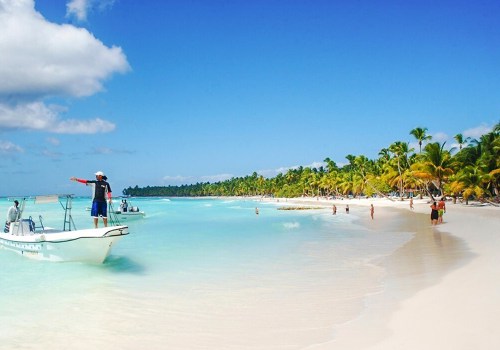
The peak season for visiting Punta Cana runs from December to April, a time when the region attracts tourists from around the globe seeking sun, sand, and vibrant local culture. This period is characterized by optimal weather conditions, making it an ideal time for beach activities and outdoor adventures. During these months, visitors can expect warm temperatures averaging between 75°F to 85°F (24°C to 29°C), with low humidity and minimal rainfall.The sunny skies create perfect conditions for lounging on the beach, swimming in the crystal-clear waters, or engaging in water sports such as snorkeling and scuba diving. Additionally, the pleasant evenings are perfect for enjoying outdoor dining or taking leisurely strolls along the shore. Another significant advantage of visiting Punta Cana during peak season is the abundance of local events and activities. From lively festivals celebrating Dominican culture to various entertainment options at resorts, there’s always something happening. Tourists can immerse themselves in local traditions, enjoy live music, and participate in organized excursions that showcase the natural beauty of the area. However, it’s essential to consider some potential downsides to traveling during this peak season.
One of the most notable challenges is the increase in prices for accommodations and activities. Hotels and resorts often raise their rates significantly during these months due to high demand. Travelers may find that booking well in advance is necessary to secure better rates and availability. Moreover, with more visitors flocking to Punta Cana, popular attractions and beaches can become crowded. This influx may lead to longer wait times at restaurants and excursions, which could detract from the overall experience.
To mitigate these issues, travelers are encouraged to plan their itineraries carefully, opting for early morning or late afternoon activities when crowds are typically thinner. In summary, while the peak season from December to April offers fantastic weather and a lively atmosphere in Punta Cana, it’s crucial for travelers to be prepared for higher prices and larger crowds. By planning ahead and being mindful of these factors, visitors can enjoy a memorable vacation in this Caribbean paradise.
Shoulder Season: March to May
The shoulder season in Punta Cana, which spans from March to May, is an ideal time for travelers seeking a balance between pleasant weather and fewer crowds. This period is often overlooked by many vacationers who flock to the area during the peak winter months, making it a hidden gem for those in the know. One of the primary advantages of visiting Punta Cana during the shoulder season is the significantly reduced number of tourists. As families and holidaymakers return home after spring break, the beaches become less crowded, allowing for a more tranquil experience.You can enjoy the stunning coastline and crystal-clear waters without the hustle and bustle that characterizes the high season. In addition to fewer crowds, travelers can also take advantage of better rates on accommodations. Many resorts and hotels offer enticing discounts during this time, with prices dropping by as much as 15% to 50% compared to peak season rates. This makes it an excellent opportunity for budget-conscious travelers or those looking to indulge in a more luxurious stay without breaking the bank. The weather during March to May is typically warm and inviting, with average temperatures ranging from 75°F to 85°F (24°C to 29°C). Rainfall is minimal, especially when compared to the autumn months, ensuring that your days are filled with sunshine and outdoor activities.
Whether you’re lounging on the beach, exploring local attractions, or enjoying water sports, you can expect favorable conditions throughout your stay. Moreover, visiting during this shoulder season allows you to experience Punta Cana's vibrant culture without the overwhelming tourist presence. You can engage more authentically with local communities, savor traditional Dominican cuisine at less crowded restaurants, and participate in cultural events that may be overshadowed during peak times. In summary, if you're contemplating when to visit Punta Cana , consider planning your trip between March and May. The combination of pleasant weather, fewer tourists, and attractive travel deals makes this shoulder season an excellent choice for a memorable vacation in this Caribbean paradise.
Low Season: June to November
The low season in Punta Cana, which spans from June to November, is characterized by a significant drop in tourist numbers, making it an appealing option for travelers seeking a more tranquil experience. However, this period also coincides with the hurricane season , which can pose risks for those planning a visit. During the low season, travelers can expect to find lower prices on accommodations and activities.Many resorts and hotels offer enticing discounts, often ranging from 15% to 50% off their regular rates. This makes it an excellent time for budget-conscious travelers to enjoy the luxurious amenities that Punta Cana has to offer without breaking the bank. Despite the potential for savings, it is crucial to be aware of the weather conditions during this time. The hurricane season officially runs from June 1 to November 30, with the peak months typically being August and September. While not every year sees hurricanes directly impacting Punta Cana, it is wise to stay informed about weather forecasts and travel insurance options that cover cancellations due to severe weather. Traveling during the low season also means fewer crowds at popular attractions.
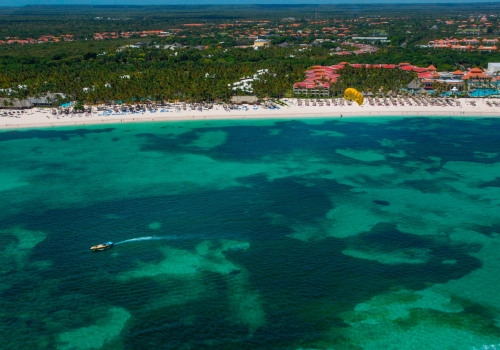
Visitors can enjoy a more relaxed atmosphere at stunning beaches like Bavaro Beach or explore local markets without the hustle and bustle of peak tourist traffic. This allows for a more authentic experience of the local culture and environment. However, it’s important to note that while rain is more common during these months, it often comes in short bursts followed by sunshine. Many travelers find that they can still enjoy plenty of outdoor activities despite occasional rain showers. Engaging in water sports, exploring natural parks, or simply lounging by the pool are all viable options. In summary, visiting Punta Cana during the low season can be a rewarding experience if you are prepared for the potential weather challenges.
With lower travel costs and less crowded attractions, this time of year offers a unique opportunity to explore this beautiful destination at your own pace.
Weather Patterns Throughout the Year
Understanding the weather patterns in Punta Cana is crucial for planning your perfect getaway. The region enjoys a tropical climate, characterized by warm temperatures and distinct wet and dry seasons. Below is a month-by-month breakdown of average temperatures and rainfall, helping you choose the best time to visit.Monthly Weather Overview
- January: Average high of 29°C (84°F) and low of 21°C (70°F). This month is part of the dry season, with minimal rainfall, making it ideal for beach activities.
-
February: Similar to January, February sees average highs of 29°C (84°F) and lows around 21°C (70°F).
Rainfall remains low, ensuring plenty of sunshine.
- March: Temperatures begin to rise slightly, averaging 30°C (86°F) during the day and 22°C (72°F) at night. Rainfall is still minimal, making it a popular month for tourists.
- April: With average highs of 30°C (86°F) and lows of 23°C (73°F), April marks the transition into the warmer months. Rainfall starts to increase slightly but is still manageable.
- May: Average temperatures reach 31°C (88°F) during the day and drop to about 24°C (75°F) at night. This month sees a noticeable uptick in rainfall, but showers are often brief.
-
June: The summer heat sets in with highs around 32°C (90°F) and lows of 25°C (77°F).
June marks the beginning of the rainy season, with increased humidity and occasional thunderstorms.
- July: July continues the trend with average highs of 32°C (90°F) and lows around 25°C (77°F). Expect more frequent rain showers, particularly in the afternoons.
- August: The hottest month, August sees temperatures peak at around 32°C (90°F) during the day and lows of 25°C (77°F). Rainfall remains high, but sunny days are still common.
- September: Average temperatures remain steady at about 31°C (88°F) during the day and 25°C (77°F) at night. September is typically one of the wettest months, so be prepared for rain.
-
October: Similar to September, October experiences high humidity with average highs of 30°C (86°F) and lows around 24°C (75°F).
Rainfall peaks this month, making it less favorable for outdoor activities.
- November: As the rainy season begins to taper off, November offers average highs of 29°C (84°F) and lows of 23°C (73°F). Rainfall decreases significantly, making it a great time to visit.
- December: With temperatures averaging between 28°C (82°F) during the day and 21°C (70°F) at night, December marks the start of the dry season again. This month is popular among tourists seeking warm weather for holiday vacations.
Events and Festivals in Punta Cana
Punta Cana is not only renowned for its breathtaking beaches and luxurious resorts but also for its vibrant cultural scene, which is highlighted through various events and festivals throughout the year.These celebrations offer visitors a unique opportunity to immerse themselves in the local culture, enjoy traditional music and dance, and savor authentic Dominican cuisine. One of the most significant events in Punta Cana is the Punta Cana Carnival , typically held in February. This lively festival features colorful parades, elaborate costumes, and energetic performances that showcase the rich cultural heritage of the Dominican Republic. Visitors can enjoy traditional music styles such as merengue and bachata while participating in the festivities that fill the streets with joy and excitement. Another notable event is the Dominican Republic Independence Day , celebrated on February 27th. This national holiday commemorates the country's independence from Haiti in 1844. In Punta Cana, you can expect fireworks, parades, and various cultural activities that reflect the pride of the Dominican people. For those interested in culinary experiences, the Punta Cana Food Festival , usually held in November, is a must-visit.
This event brings together local chefs and food enthusiasts to celebrate Dominican cuisine. Attendees can sample a variety of dishes, attend cooking demonstrations, and participate in tastings that highlight the island's diverse flavors. Additionally, music lovers should not miss the Punta Cana Music Festival , which takes place during the summer months. This festival features both local and international artists across various genres, providing a platform for emerging talents while also showcasing established musicians. The atmosphere is electric, making it a perfect occasion for visitors to dance under the stars. Throughout the year, Punta Cana also hosts smaller cultural events that celebrate local art, crafts, and traditions.
These events often take place at community centers or local markets, allowing travelers to engage with artisans and learn about their crafts firsthand. In conclusion, planning your visit to coincide with one of these exciting events or festivals can significantly enhance your experience in Punta Cana. Not only will you enjoy beautiful weather and stunning scenery, but you'll also gain a deeper appreciation for the rich culture and traditions of this enchanting destination.
Travel Tips for Visiting Punta Cana
When planning your trip to Punta Cana, it’s essential to consider various travel tips that can enhance your experience. From packing essentials to safety precautions, being well-prepared will ensure a smooth and enjoyable vacation.Packing for Punta Cana
The tropical climate of Punta Cana means you’ll want to pack light, breathable clothing. Here are some essentials to include:-
Lightweight Clothing: Opt for cotton or linen fabrics that allow your skin to breathe.
Dresses, shorts, and tank tops are ideal for daytime activities.
- Swimwear: Bring multiple swimsuits so you can enjoy the beautiful beaches and pools without waiting for wet suits to dry.
- Sun Protection: Sunscreen is a must! Choose a reef-safe option to protect the local marine life. Don’t forget sunglasses and a wide-brimmed hat for extra protection.
- Comfortable Footwear: Flip-flops are great for the beach, but also pack a pair of comfortable walking shoes for exploring local attractions.
- Light Jacket or Sweater: While the weather is generally warm, evenings can be cooler, especially during the winter months.
Punta Cana Safety Tips
Your safety is paramount while enjoying the beauty of Punta Cana. Here are some tips to keep in mind:- Stay Hydrated: The heat can be intense, so drink plenty of water throughout the day, especially if you’re indulging in alcoholic beverages.
- Be Cautious with Food and Water: While many resorts offer safe dining options, it’s wise to stick to bottled water and avoid street food if you have a sensitive stomach.
- Keep Valuables Secure: Use hotel safes for passports, cash, and other valuables. When out and about, carry only what you need.
-
Know Emergency Numbers: Familiarize yourself with local emergency contacts.
The general emergency number in the Dominican Republic is 911.
- Respect Local Customs: Understanding and respecting local culture will enhance your experience and help you connect with the community.
Frequently Asked Questions About Visiting Punta Cana
When planning a trip to Punta Cana, travelers often have numerous questions. Here are some of the most frequently asked questions that can help you prepare for your visit:What is the best time to visit Punta Cana?
The ideal time to visit Punta Cana is between December and April, when the weather is typically dry and sunny. However, if you're looking for fewer crowds and better deals, consider traveling in late spring (April to June) or early fall (September to November). Keep in mind that hurricane season runs from June to November, so it's wise to monitor weather forecasts during these months.What should I pack for my trip?
When packing for Punta Cana, prioritize lightweight clothing suitable for warm weather.Essentials include:
- Lightweight, breathable clothing
- Swimwear and beach cover-ups
- Sun protection: sunscreen, hats, and sunglasses
- Comfortable sandals or flip-flops
- A light jacket or sweater for cooler evenings
- Insect repellent, especially if you plan to explore nature
Is it safe to travel to Punta Cana?
Punta Cana is generally considered safe for tourists. However, like any travel destination, it's important to take standard precautions. Avoid displaying valuables, stay in well-lit areas at night, and use reputable transportation services. Always keep an eye on your belongings and be cautious when engaging with strangers.What activities can I enjoy in Punta Cana?
Punta Cana offers a wide range of activities for all types of travelers.Popular options include:
- Relaxing on stunning beaches like Bavaro Beach and Macao Beach
- Water sports such as snorkeling, scuba diving, and windsurfing
- Exploring natural parks like Indigenous Eyes Ecological Park
- Taking a day trip to Saona Island or Catalina IslandTaking a day trip to Saona Island or Catalina Island
- Enjoying vibrant nightlife at local bars and clubs
Conclusion: Choosing Your Ideal Time to Visit Punta Cana
In conclusion, determining the best time to visit Punta Cana involves a careful consideration of various factors, including climate, local events, and your personal preferences. The tropical paradise of Punta Cana offers a warm climate year-round, but understanding the nuances of its weather patterns can significantly enhance your travel experience. As discussed, the months from December to April are generally regarded as the peak season for tourism in Punta Cana. During this period, visitors can expect stable weather with plenty of sunshine and minimal rainfall. This is an ideal time for those looking to escape colder climates and enjoy the beautiful beaches and outdoor activities that Punta Cana has to offer. However, if you prefer a quieter experience with fewer crowds and more affordable rates, consider planning your trip during the shoulder seasons of March to May or September to November.These months not only provide pleasant weather but also allow you to take advantage of lower prices at hotels and resorts. It’s also essential to keep in mind that Punta Cana hosts various local events and festivals throughout the year. If immersing yourself in the local culture is a priority for you, aligning your visit with these events can add a unique dimension to your trip. For instance, experiencing local festivities can provide insight into Dominican culture and traditions that you might otherwise miss. Ultimately, the best time to visit Punta Cana is subjective and should align with your travel goals. Whether you prioritize perfect weather, budget-friendly options, or cultural experiences, Punta Cana has something to offer every traveler.
By weighing these factors carefully, you can choose a time that not only meets your expectations but also creates lasting memories in this stunning Caribbean destination.