Punta Cana · Know the coast before you go.
The Ultimate Guide to Punta Cana Seasons
Everything you need to know about Punta Cana’s climate, tourist seasons, and the best time to visit based on your preferences, budget, and crowd tolerance.
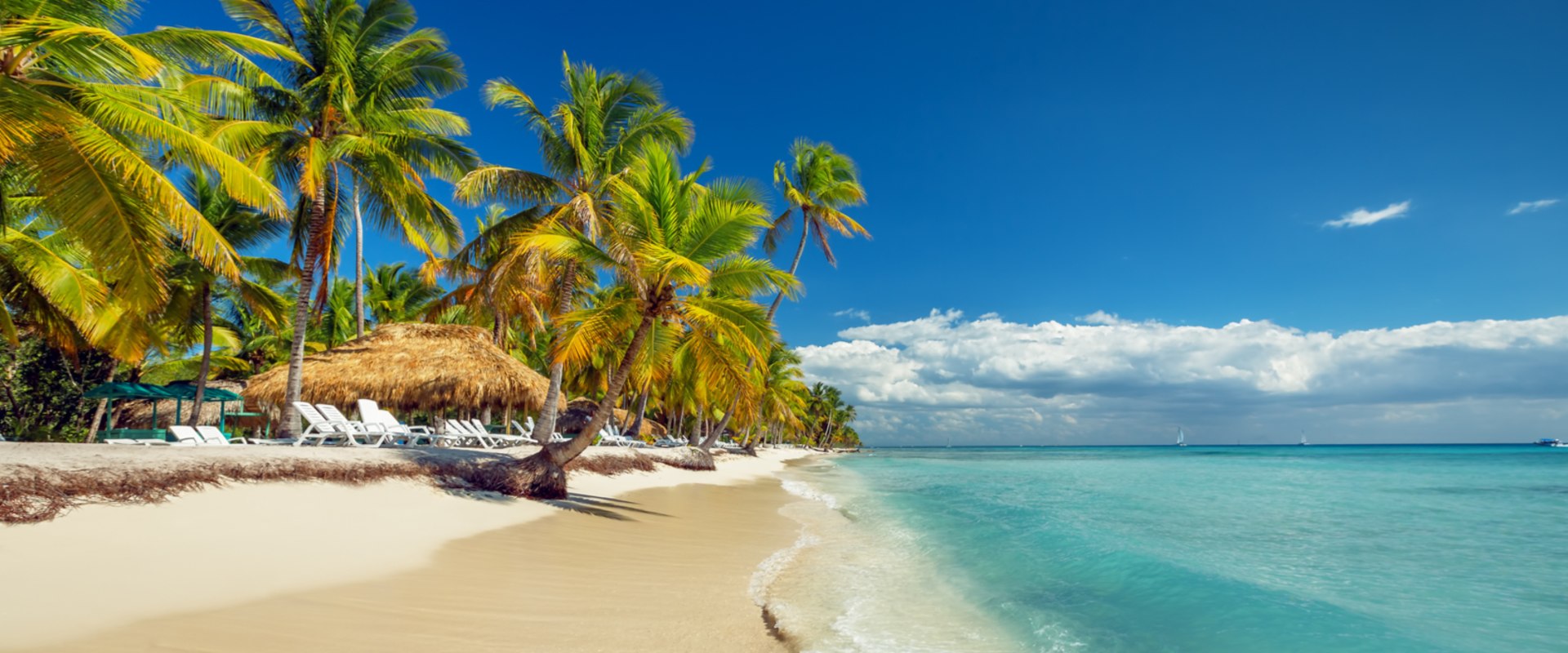
Punta Cana’s on the east coast of the Dominican Republic. It’s a tropical paradise with white sandy beaches and warm, clear water for over 50 kilometers. Seriously – LOOK at this place. Endless palm trees. Vibrant coral reefs. It’s everything you want for a relaxing getaway AND more water sports than you can shake a paddle at. This much beauty, plus a perfect climate, is why Punta Cana is one of the Caribbean’s most popular tourist destinations.’s on the east coast of the Dominican Republic. It’s a tropical paradise with white sandy beaches and warm, clear water for over 50 kilometers. Seriously – LOOK at this place. Endless palm trees. Vibrant coral reefs. It’s everything you want for a relaxing getaway AND more water sports than you can shake a paddle at. This much beauty, plus a perfect climate, is why Punta Cana is one of the Caribbean’s most popular tourist destinations.
The Caribbean is stupidly popular with travelers everywhere. All those cultures! Those beaches! That sunshine, year round. Punta Cana has all of this in spades. It’s consistently warm and temperate, with very little fluctuation. The average annual temperatures hover between 27 and 31 degrees Celsius, which is perfect for sunbathing and swimming. Even in the “cooler” months, it’s comfortably warm – rarely below 21 degrees Celsius.
You gotta understand Punta Cana’s seasons if you wanna get the most out of your trip. The place has amazing weather all year, but the tiny shifts in climate affect everything from rainfall and humidity to crowds and costs. Oh, and knowing about hurricane season is vital to your safety and planning, too. If you know how the seasons work, you can decide when to go based on your weather preferences, budget, and how much of a crowd you’re willing to put up with.
Let’s talk Punta Cana seasons. This guide will go month-by-month, answering the important questions – when’s the best time to go? What’s the weather like, month by month? How do the seasons affect tourism, exactly? Whether you want your days to be filled with sun-soaked beach bliss or you prefer your resorts to be less crowded or you want to attend a certain event, knowing Punta Cana’s climate will help you plan an amazing trip to this Caribbean paradise.
Climate Overview: Weather Patterns Throughout the Year
Punta Cana is fucking paradise. Like, basically the entire island is a Goddamn resort. And the weather? Perfect. Literally. Tropical climate with warm and mild temperatures year-round. This consistency is one of the best things about the place, especially if you’re a sun-and-warmth-on-your-vacation kind of traveler. Unlike so many other destinations, which have wild temperature swings as the seasons change, Punta Cana has a pretty narrow temperature range. Average daytime highs are usually between 27°C (81°F) and 31°C (88°F), and even at night, temperatures rarely drop below 21°C (70°F) – and that’s during the coldest months. So you can count on pleasant warmth all the time, which is perfect for just about any outdoor activity you can think of (sunbathing! swimming! hiking! or just laying on the beach and being fabulous!).
Punta Cana, man. A goddamn paradise. The temperature barely fluctuates at all throughout the year, so Punta Cana never has weather extremes. In the winter months (December through February), the daytime temps might dip a tiny bit – hitting lows of 21°C and 25°C (70°F to 77°F) – but the difference is so minor, it doesn’t really affect your beach or water time at all. Unlike other destinations where a cold snap or heatwave can throw everything off, Punta Cana is reliably warm; you can enjoy its natural wonders any time of year. This delightful consistency also makes your whole experience that much more enjoyable – you rarely have to change your packing for a drastic shift in temperature.
So, while the temperature doesn’t change much, the only real differences in Punta Cana’s weather are rainfall and humidity patterns (not heat). It has a tropical wet and dry climate, which means there’s a wet season and a dry season. The wet season runs roughly from May to November, and that’s when you’ll see higher chances of rain and more humidity. But the thing to remember is that in Punta Cana, rain usually falls as short, intense tropical showers, rather than lengthy downpours. And these showers often happen in the afternoon, and are then followed by blue skies and sunshine. This rain pattern means that even during the wetter months, you’ll still get plenty of dry, sunny time as a visitor, with minimal disruption to your travel plans or outdoor activities.
The rainy season bumps up humidity levels, which can make the air feel warmer and more suffocating to some visitors. The nice thing, though, is that you get consistent ocean breezes, which helps with all of this. You get a bit of relief from the stickiness that comes with tropical climates. In the drier months (roughly December to April), humidity drops even further, and it’s so much more comfortable for people who are sensitive to moisture in the air. Travelers often say that their perception of Punta Cana’s seasons has more to do with these changes in rainfall and humidity than with changes in temperature at all. Once you understand this distinction, you can plan a trip that suits your personal comfort preferences.
And then there’s sunshine, another major player in Punta Cana’s year-round climate. On average, the place gets six to eight hours of sunshine a day – pretty damn perfect if you’re looking for blue skies and bright, sunny days. The sunniest months are February, March, and April (the dry season), when you can expect wall-to-wall sun perfect for beach lounging, sightseeing, outdoor fun, and popping by local events or festivals. Even in the wettest months, though, you’ll still get sunshine – many days are a glorious combo of sun and short rain showers. And that mix? It gives you vibrant, lush surroundings and still plenty of time to enjoy the outdoors.
Oh, and another thing about Punta Cana’s climate? The sea temperature is consistently warm, too. The Caribbean Sea that surrounds the area stays between 26°C and 28°C (79°F to 82°F) all year long. That stable warmth means that no matter when you go, you can comfortably swim, snorkel, scuba dive, and otherwise partake in water sports. Unlike some places, where the sea temperature drops dramatically in the cooler months, Punta Cana’s waters are always inviting. This consistency makes Punta Cana even more appealing as a beach destination; you can plan your trip without worrying about frigid ocean temps.
Warm air + warm sea = more than just beach lounging. Year-round, you can paddleboard and kayak and windsurf to your heart’s content. And if you’re a nature lover, you can kayak through coastal mangroves or snorkel on coral reefs or hike in tropical forests without the threat of a weather-induced meltdown. Even the cultural stuff, the festivals and such, is enhanced by this meteorological consistency. You can plan an outdoor event and know, with a fair degree of certainty, that it won’t rain.
Dude, it’s also worth noting that Punta Cana’s tropical climate doesn’t have the kind of seasonal temperature swings you get in the temperate zones. Instead, the weather shifts are all about changes in precipitation and humidity. This often surprises travelers – they expect the seasons to change by temperature and are shocked to find that the main variable is how much it rains. Understanding this helps you set realistic expectations for what each season feels like and how to prepare for it.
Punta Cana is basically paradise, with a perfect tropical climate that means warm, stable temperatures year-round (highs between 27°C and 31°C on average; mild nighttime lows that rarely dip below 21°C). The only real seasonal differences are in rainfall and humidity – not temperature. You’ll get loads of sunshine all year long (with the most during the dry season from February to April), and comfortably warm sea temperatures that allow for all kinds of water fun at any time of year. Knowing all of this helps you gauge what to expect weather-wise, and plan your trip around how much sun you want, how much rain you can handle, and what level of humidity you’re comfortable with. It’s an essential piece of the puzzle for deciding when to go to Punta Cana, and how to make the most of its tropical goodness.
Understanding Punta Cana’s Seasons: High, Low, and Shoulder
Punta Cana has three seasons: high, low, and shoulder. Get to know ’em if you want your trip to match up with your ideal weather, budget, and crowd tolerance. Each has its own vibe, affecting everything from hotel rates and flight deals to the local feel and what you can do.
High season in Punta Cana is basically December through April. It’s dry and sunny, with pleasantly warm temps – perfect for beaching, water sports, and outdoor adventuring. The lovely weather draws the biggest crowd, so resorts are packed and attractions are operating at full tilt. And with such high demand, prices for lodging and flights skyrocket during these months. Everyone fleeing a colder hometown seems to gravitate here, which means it’s crowded but also alive with energy and events aimed at tourists. The weather is gloriously consistent – all those blue skies and hardly any rain – which is why high season is the safest bet for sun and warmth.
Low season, on the other hand, is roughly from May to November. That’s when the Caribbean gets its rain and hurricane season – hotter temps, higher humidity. It rains more during these months (usually in short, heavy bursts), and sometimes you’ll get a tropical storm or hurricane, particularly in September and October. All of this weather stuff means a quieter tourism scene – many people simply don’t want to risk it, and so the numbers plummet. Fewer people = much lower prices on hotels, flights, and excursions. It’s a dream for budget travelers or anyone who wants a more low-key experience. Yes, you take on a greater chance of precipitation, but many find the verdant landscape and lack of crowds during this time period to be well worth it.
The Shoulder Season. It’s this glorious middle ground, typically May and November, that takes some of the best parts of both high and low season, and smooshes them together. The weather in the shoulder months is delightful – warm, with less rain than the heart of low season. (Yes, you might get a shower or two, but they’re usually brief and followed by blue skies.) The crowds are smaller than during high season, which makes everything feel a little more laid-back and pleasant, both for sightseeing and beach lounging. And prices during the shoulder season are nice as well – often lower than the peak months, but not quite as deeply discounted as in low season. For travelers who want a little bit of everything – good weather, manageable crowds, and reasonable costs – the shoulder months are truly the best time to go to Punta Cana.
This whole terminology around the seasons can be confusing sometimes, with overlapping definitions and regional differences. Some sources define high season as October – March, while others say December – April. The shoulder season is also defined differently; is it October through February, or just May and November? Regardless of these minor discrepancies, the patterns hold true: more tourists and higher prices in the dry, cooler months; fewer people and better deals in the wetter, hotter months.
These seasonal distinctions? They matter, not just for weather and cost. During high season, you’ll want to book popular resorts and attractions in advance – they sell out, thanks to the surge in demand. Events and festivals are often timed with this influx of tourists, which is awesome and culturally enriching, but also means everything is that much more crowded. On the flip side, low season travel means you get empty beaches and more attentive service, but you have to be flexible (there’s a chance your trip will be interrupted by rain). Shoulder season travelers get the best of both worlds – you can enjoy many of the perks, without the full brunt of peak-season crowds or prices.
So in summary: Punta Cana’s high season is all about dry weather, tons of people, and sky-high prices. Perfect for you if you want the best climate and a lively atmosphere. The low season, on the other hand, is hotter (with more rain and humidity), has fewer tourists, and offers incredible discounts. It’s ideal for those who want to travel on the cheap and enjoy some peace and quiet, even at the expense of a little (or a lot of) weather risk. The shoulder season is the sweet spot – the best of all worlds. Nice weather, fewer crowds, and moderate prices. If you understand these seasonal quirks, you can tailor your trip to fit your preferences and travel goals.
High Season in Punta Cana: December to April
So the high season in Punta Cana runs from December to April, and it’s basically universally agreed upon as the best time to go – warm, dry, and sunny, with the perfect climate (low humidity! barely any rain!) for outdoor fun and lounging on the beach. You’ll get daily temps in the mid-70s to mid-80s Fahrenheit (24-30°C), bright blue skies, and a lovely ocean breeze. For most people, these months are the epitome of comfort and predictability, especially compared to the wetter, more humid low season that comes after.
The high season’s biggest draw? It’s ridiculously perfect for just about everything. Beach bums can spend blissful, sun-soaked day after blissful, sun-soaked day on Punta Cana’s iconic white sand beaches, or swimming in the crystal clear, calm Caribbean waters. Golfers love this time of year too; the courses in and around Punta Cana are a verdant paradise under a constant sun. And with ideal conditions and calm seas, this is also the best time for boating excursions, snorkeling trips, and deep-sea fishing. Even sightseeing further afield is more enticing during the high season; the lovely temperatures make trips to local cultural sites or natural parks all the more enjoyable.
The high season also happens to line up with an incredible cultural calendar, which makes the whole experience as a visitor that much better. February is particularly amazing – it’s when the Dominican Republic’s famous Carnival takes place. These crazy, colorful parades, with their traditional costumes and music and street parties, happen in towns like La Vega and even Punta Cana itself. Carnival is your chance, as a traveler, to dive headfirst into Dominican culture, see local customs up close, and join in on the celebrations that unite communities. And even outside of Carnival, this season is packed with other important cultural events and festivals happening all over the country, which creates such a lively atmosphere and a sense of celebration that’s about so much more than just the beaches.
God damn, I love whales. That’s a good enough reason to go back, if you ask me. – Nature lovers will find another reason to go during the high season: it’s peak whale watching time. From mid-January to mid-March, humpback whales migrate to the warm waters near the Dominican Republic (including areas you can reach from Punta Cana). You can see them! This seasonal phenomenon means that you can take a guided boat tour and watch these gigantic animals in their natural habitat. Whale watching should absolutely be on your agenda if you’re there during these months, and it adds such a unique wildlife experience to your trip (not to mention, it’s freaking awesome) that ties in beautifully with the natural splendor of the area.
Listen, the high season has a lot going for it, sure. But if you’re going to travel during this oh-so-popular time of year, you need to accept some trade-offs. Punta Cana’s perfect weather and festive vibe draws a ton of people, which means packed beaches and resorts, and full excursion calendars. With that much demand, popular activities have longer wait times, and the whole place is less peaceful if you were hoping for some alone time. And be prepared to pay through the nose for your accommodations, flights, and on-site services; everything is astronomically more expensive than in the low or shoulder seasons. Especially at peak times (around Christmas, New Year’s, and spring break) you’ll spend a fortune and find yourself in a sea of bodies, and may even have to book your preferred lodging or tours several months in advance to get anything at all.
Yeah, the stuff costs a fortune. But despite all this, plenty of travelers – especially those whose top priorities are reliable weather and available activities – find that the upsides outweigh the downsides. Families in particular, I think, can take advantage of the high season as an incredible opportunity to travel. The dry, sunny conditions mean you’ll spend less time hiding from rainstorms, and more time in a safe, fun environment for your kids to play outside. And during this period, many resorts adjust what they offer to include family-friendly amenities, kids’ clubs, and special events that cater to younger visitors. Plus, the celebratory Carnival season adds an enlightening and entertaining cultural experience for both kids and adults, making it all the easier for families to combine relaxation with cultural education.
For travelers who crave perfect beach days and outdoor adventures and cultural celebrations, the high season is, in their minds, the ultimate Punta Cana experience. Whether you’re after a romantic escape or a family trip, or an action-packed vacation of golf and water sports, this time period offers the best of everything – perfect weather and a lively social scene. It also conveniently coincides with winter getaways from the chillier parts of the world, which is why it’s such a hotspot for North American and European tourists in search of sun and warmth.
Plan ahead, man. If you want to survive the high season, you gotta get your shit together. Book early and you’ll score better rates and availability (especially if you want a room by the beach or at a resort with all the bells and whistles). You might also want to think about timing your trip to avoid the absolute peak holidays, if you want slightly fewer people and more competitive prices while still enjoying glorious weather. Or, if you like a bustling vibe and don’t mind paying top dollar, go December through April. It’s stunning and vibrant and culturally rich and action-packed, without question.
So, yeah. Punta Cana’s high season is pretty damn awesome – perfect weather, tons of stuff to do, and a culture that practically vibrates. Sure, you’ll have to brace yourself for bigger crowds and higher prices, but the payoff is glorious sunshine, fun festivals (Carnival!), and once-in-a-lifetime experiences (like whale watching). Just figure out what matters most to you – your budget, your crowd tolerance, your must-do activities – and you’ll know if this sun-soaked season is the right time for your Punta Cana trip.
Low Season in Punta Cana: May to November
Punta Cana’s low season – May through November – coincides with the area’s rainy and hurricane seasons. It creates this totally different climate profile, which affects everything about when and how you travel. This time of year is often deemed “less desirable” because of the rain and potential storms. But it also comes with a whole host of unique perks that make it the perfect choice for a lot of people. Get to know these details, and you can weigh the pros and cons for yourself, and uncover all the reasons to visit during this quieter, more affordable, time.
So, yeah, it does rain more often in the low season than in the dry months of high season, but it hardly ever takes over your day. The showers are quick – usually in the afternoon or evening – and they’re typically followed by blue skies and sunshine. These random little rain events keep everything green and beautiful, adding to the tropical paradise that is Punta Cana. And the temperatures stay warm and lovely, usually hovering in the mid-80s Fahrenheit (27–31°C), which means you can still enjoy the beaches, outdoor adventures, and all that water fun. Sure, the humidity ticks up a bit during this time, but most travelers find the tropical warmth to be delightful rather than suffocating, especially with the ocean breezes as a backdrop.
Hurricane Season. It’s the first thing you think of during low season, right? The hurricane season runs from June through November (peaking August-October), and while hurricanes are a huge deal in the Caribbean, Punta Cana rarely feels their direct effects. Most years go by with hardly any hurricane-related problems at all, and when storms do come close, they’re usually well-forecasted ahead of time, giving travelers the chance to change plans or find shelter. If this is a major concern for you, buying travel insurance that covers weather-related cancellations or interruptions will give you extra peace of mind. Even with families and flexible travelers, the occasional storm (and its potential impact) is often outweighed by all the other reasons to travel during this time.
The best part about going to Punta Cana in low season? The fucking money you save. Seriously, airfare is often crazy cheap (like, way cheaper than during those peak winter months) and hotel rates drop as well. Resorts and tour operators offer killer discounts to get people to visit when nobody else is. This price drop can turn a luxury vacation into something within your reach, or allow you to stay longer without blowing your budget. For the budget traveler (hello families who just want value!) these savings are everything. And even better, with fewer tourists, there’s less competition for beds and activities, which makes your trip that much better.
I don’t know what it is, but I love the low season. Punta Cana with reduced crowds is a wonderfully relaxed and peaceful place. The beaches. The restaurants. The attractions. Everything is less crowded and it just feels nicer, right? I think a lot of travelers appreciate this sense of tranquility. And the quieter atmosphere also means more personalized service at your hotel and on tours. You can experience the natural wonders – the protected parks, the wildlife refuges – with fewer people around you, which makes it easier to connect with the area’s natural beauty. For instance, your eco-tour or bird watching excursion will be that much better during these quiet months (when wildlife is more active and visible and the conditions are wetter) than during peak season.
And beyond the environmental and economic benefits, the low season gives you a chance to experience Punta Cana’s local culture more authentically. With fewer tourists flooding the area, community events and traditional markets and festivals feel less corporatized and more real. You can try local culinary specialties at hole-in-the-wall restaurants, and interact with people in a way that’s often drowned out during the crazy high season. This cultural immersion makes for a richer trip, offering a glimpse into the life and traditions that make the Dominican Republic’s Caribbean so captivating.
First, let’s clear up some of the biggest misconceptions about the low season. Yes, the rainy season and hurricane season come with some weather risks, but they’re often exaggerated. Rain usually falls in short, intense bursts instead of all-day deluges, giving you plenty of time to enjoy the outdoors. And while the threat of hurricanes is real, it’s lessened by today’s meteorological forecasting and the fact that Punta Cana is rarely directly hit. Most of the travelers who decide to go during these months are pleasantly surprised by the weather and enjoy the distinct perks of this season.
In short: Punta Cana’s low season (May-November) is all about tropical downpours, increased humidity, and a small chance of hurricanes. But, in exchange for all that, you get - Huge savings. - Fewer people. - Better chances to experience nature. - More personal cultural interactions. If you’re willing to roll with the season’s punches (and plan a little), the low season can show you a rewarding side of Punta Cana that isn’t the crazy fun of high season, but is just as good and just as enjoyable.
Shoulder Season: The Best of Both Worlds in May and November
So Punta Cana’s shoulder season is May and November. During these months, you can experience the destination at its best – a perfect balance of good weather, fewer tourists, and lower prices. They’re the in-between months – between high season (dry and sunny, but packed resorts) and low season (when rain and humidity are at their worst, and hurricanes are a genuine threat). For many, the shoulder season is the ideal compromise. You get to enjoy the natural beauty and activities of Punta Cana without suffering through either extreme.
Okay, here’s the deal. I went to Costa Rica twice, and both times were in May and November, respectively. And both times? PERFECTION. The weather is warm and glorious (average daytime temps are usually in the mid-80s to low 90s Fahrenheit (29–33°C)). Yes, it rains a bit more than the drier, high season months, but even with that increase in precipitation, the showers are short and usually happen in the late afternoon or evening. They come, they drench, and then they’re gone – leaving behind blue skies and sunshine that makes your outdoor plans doable pretty much every day. November especially is this magical month where the rain steadily decreases as you move toward the dry season (making it more and more wonderful for beach bums and adventurers alike). And May is the start of the wet period, but still has plenty of dry stretches – so you can pack your itinerary full of fun without getting too soaked.
One of the best things about going during shoulder season? The lack of crowds. Seriously, from December through April, the resorts (and beaches and tourist traps) are packed and busy. But in May and November? So many fewer people. And it’s glorious. Suddenly, the whole vibe shifts to one of relaxation, where you have more personal space, shorter lines, and easier access to the things and places and restaurants you want to see. If you’re the kind of traveler who treasures peace and a slower pace in your getaway, this quieter time of year can really elevate your experience. It also means that the resort staff has more time (and attention) to devote to you, the guest, which can result in better service overall than during the frantically busy high season.
Dude, shoulder season is financially awesome. You get to save money without the drastic discounts – and sometimes crazy weather – of the true low season (which is, from August to October) Hotel rates, airfare, and tour prices all generally drop below peak-season levels, but are still higher than the rock-bottom low-season prices. It’s this sweet spot of pricing that budget travelers love; you can have nice weather and decent amenities, and still pay less. And apparently, a lot of resorts and airlines are onto this whole “shoulder months” thing too. They’ll run special promotions, offer early booking discounts, or flexible cancellation policies to entice you to travel during their shoulder period. The result? Even more value (and flexibility) added to your trip planning.
If you want to squeeze every last drop out of a trip in May or November, bookmark these ridiculously detailed calendars that plot weather patterns and local festivals and special deals. Knowing about something happening while you’re there can elevate your experience – you get to interact with Punta Cana’s colorful culture, and you don’t have to elbow your way through hordes of people. Oh, and if you also sign up for hotel loyalty programs and airline rewards, you can score some sweet extras (like a room upgrade or bonus points or an exclusive discount) that’ll make your trip even better. By planning with all of this in mind, you can maximize your time and money and have a goddamn blast.
So, to recap: if you want to hit Punta Cana when the weather is good, the crowds are bearable, and the prices are better, go in the shoulder seasons of May and November. Yes, it rains a little more during these months, but the showers are usually brief and followed by blue skies; you’ll still get plenty of beach days and outdoor activities. With fewer people around and better rates on everything, traveling during the shoulder season is a win all around – so much so that I’d choose it over the crazier high season or the wetter, more uncertain low season any day. If you want to experience Punta Cana’s natural beauty and welcoming vibe with fewer sacrifices, make your plans for May or November.
Month-by-Month Breakdown Part 1: January to June
January to June in Punta Cana is a wild ride of weather, events, and travel experiences that can cater to any and all preferences and priorities. Get a handle on the monthly differences in climate, crowds, and special happenings, and you can nail the perfect time for your visit, based on how comfy you want the weather, how much you’re willing to spend, and how deep you want to dive into the local culture.
So, January. It’s the first month of the year and apparently, it’s also the coolest and driest in Punta Cana. Cool. Daytime temps hover in the mid to high 70s Fahrenheit (24-26°C), with low humidity and almost no rain. This sounds perfect. Pleasant and comfortable for outdoor activities and beach time, without the brutal heat of the subsequent months? Yes, please. Oh, and January is also the height of whale watching season in the area, which brings all the nature lovers to town to see humpbacks on their migration. I would totally do this. The crowds are manageable, and while prices are generally steady they are a bit higher than during the low season, it’s not outrageous. If whale watching is at the top of your must-do list, or if you simply want less humidity, January is your month.
February is still all mild, sunny glory, and widely regarded as the best month for a beach vacation in Punta Cana. The temperatures are warm but delightful – usually in the upper 70s to low 80s Fahrenheit (25-28°C) – and the rain stays away. February also features Carnival, a glorious cultural extravaganza filled with parades, costumes, music, and street parties that takes place across the Dominican Republic (and Punta Cana, specifically). It adds a wonderful sense of revelry and a uniquely cultural experience to your trip if you want to get a taste of local customs. Also, from late February on, the seaweed is practically non-existent, which means the beaches are that much better. February has the highest number of visitors (a bump due to holiday travel and Carnival), so expect prices and crowds to be at their highest. But people flock here for both the cultural buzz and the perfect weather, so clearly you can’t go wrong this month.
Oh man, I miss March. March is all about slightly warmer temps – moving towards the low 80s Fahrenheit (27-29°C) – with humidity starting to creep up but still totally bearable. And while it doesn’t rain much at all (though you might get a short shower or two), the skies are often overcast, and that lovely warm rain is such a treat. Also, whale watching is still happening in March (though by the end of the month, the season is pretty much over), and the seaweed levels are usually still pretty low through early March, so you can actually enjoy the beach without all of that gunk. I love it. Crowds are still fairly high, though, with spring break kids and those who are extending the good weather of the high season. And everything still costs a fortune (though it may start to stabilize a bit towards the end of the month). I would argue that March is perfect for anyone who wants warm weather, along with outdoor and marine activities.
April is this slow slide into the warm, humid part of the year. Average daytime temps creep into the mid-80s F (about 29-30°C), and the humidity jumps up noticeably. Rainfall is still pretty light, but it starts to happen more often than in the earlier months. And seaweed is still generally at its lowest in April, which means the beach conditions are perfect for most people. The crowds start to thin out a bit as the peak winter tourism season wraps up, so you might even save some money on your accommodations and activities. It’s a great month to visit if you want warmer weather, but don’t want to deal with the highest crowds and prices.
May is a shoulder season; temperatures and humidity rise dramatically. Daytime highs are often in the upper 80s Fahrenheit (31-32°C), and it starts to rain more often, but usually just in short bursts rather than torrential downpours. The seaweed is at its lowest from late February through early May, so if you go in early May, you can still enjoy relatively beach-blanket-clear shores. The tourist crowds are significantly smaller than during the winter months, making May one of the quietest and cheapest times to visit. It’s perfect for travelers who don’t mind a little rain and humidity in exchange for better prices, fewer people, and pretty decent beach conditions.
June. It’s the start of the hotter, wetter low season in Punta Cana. Temperatures often hit the high 80s and low 90s Fahrenheit (32-34°C) with elevated humidity and more regular afternoon or evening showers. The seaweed presence also tends to increase during this time, which can impact your beach experience. And with even fewer tourists around, prices drop even more on accommodations and activities. If you’re a budget traveler looking for less crowded resorts, June might be your month. Just know that you’ll be dealing with hotter, more humid weather and the likelihood of seaweed on the beaches.
So basically, the first half of the year in Punta Cana goes from cool, dry perfection with all the special things (Carnival! Whale watching!) happening in January-March, to warmer, wetter months with fewer tourists and better prices by May and June. If you want cultural stuff and to see marine wildlife, January to March is your golden ticket. But if you’re after saving money and a less crowded experience, you’ll want to go in May or June – even though it’s hotter and more humid. Knowing these monthly distinctions lets you customize your trip to your liking, balancing weather comfort, crowd tolerance, event attendance, and budgetary concerns in a way that works for you.
Month-by-Month Breakdown Part 2: July to December
In the second half of the year, Punta Cana’s climate and vibe transforms – a whole spectrum of experiences shaped by weather, crowds, and cultural happenings. Know what to expect from July through December, and you can pick the perfect time for your visit based on your preferences for weather, activities, and wallet.
Holy shit, July and August are still all warm and tropical, just like the Punta Cana summer you imagine. Temperatures typically hang out in the high 80s to low 90s Fahrenheit (around 30 to 34 degrees Celsius) with heavy humidity. You’ll also get the occasional afternoon shower or quick thunderstorm during these months – which is actually kind of awesome and a nice break from the heat, and doesn’t really ruin your outdoor plans at all. The ocean is still lovely for swimming and water sports, though be warned beachgoers – this is the time sargassum seaweed starts to show up on the shores. It varies year to year how much seaweed there is, but all the resorts clean and manage their beaches so you still have a nice experience.
Dude, the cultural stuff in July and August is totally awesome – there are summer festivals, where they celebrate Dominican everything (music! dance! food!) and it’s all so colorful and fun. You get to immerse yourself in their culture while you’re lying on a beach or whatever. Even with the heat and the occasional downpour, these months draw families and travelers looking for a stereotypical Caribbean summer, so the resorts are only moderately full.
Did you know that September and October are the dead center of Punta Cana’s low season? Quieter crowds. Some of the cheapest hotel rates you’ll find all year. They’re also the wettest months, with more rain (and more often, sometimes heavier rain) because it’s the height of the Atlantic hurricane season. You won’t get hurricanes every year, of course, but if you do decide to travel during this time, keep an eye on the forecasts and consider getting travel insurance. The rain means a more lush landscape and fewer tourists, and a peaceful atmosphere that’s perfect for those who value solitude (and savings) over perfectly dry weather.
You’ll see more seaweed in September and October (which sometimes mucks up the beach, but whatever, fewer people means you still get to enjoy spacious beaches and pools with lots of room to breathe), and I love this time of year – especially if you’re cheap and/or want to chill out a little more – the most. It’s also a quieter, more affordable window for travelers. And because the weather is so fickle during these months, I’d advise keeping your plans flexible.
November’s the turning point – out of low season, and into drier, more stable weather. Temperatures start to warm up ever so slightly, and the rain tapers off, making everything outside that much more enjoyable. Sure, there might still be a bit of seaweed early in the month (and it’s gross, but not as gross as it is later in the year), but even that lessens as we move toward winter. November also marks the start of Punta Cana’s shoulder season – the sweet spot where you get fewer tourists and better weather.
December is high season – everybody wants to be here, drawn by the warm, sunny days and the lack of rain. The average temperature is a perfect mid-80s F (about 29 C), ideal for lounging on the beach, snorkeling, sailing, and checking out the resorts. Plus, there are all sorts of festive holiday events and celebrations this month that add to the already vibrant atmosphere. Expect higher prices and busier resorts (and a lot more kids) during the holidays, as everyone wants to be here. If you’re traveling over this period, book everything early.
So, basically: July and August are for you if you like it hot and cultural stuff (with a little rain and some seaweed, of course). September and October are your jam if you want a more low-key, budget-friendly experience but don’t mind getting wetter and possibly having your travel plans disrupted. November is a lovely transition to drier weather and fewer people, and December is peak Caribbean sunshine and holiday fun. Keep all this in mind, and you can plan your Punta Cana trip for the exact months that match your weather preferences, crowd tolerance, and desire to do things.
Activities, Festivals, and Events by Season in Punta Cana
Punta Cana is packed with activities, festivals, and events all year long, so no matter when you visit, you’ll find something awesome going on. With its warm tropical climate, you can partake in a ton of outdoor and water-based fun all year, and the cultural calendar showcases the vibrant heritage of the Dominican Republic. If you time your trip to hit these seasonal highlights, you’ll get an extra dose of local goodness, natural beauty, and celebratory spirit.
The most iconic annual event? Carnival. It happens all over the country, in February. It’s a riot of color and parades and elaborate costumes and thumping music, and it’s awesome. The biggest and most famous Carnival celebrations are in La Vega and Santo Domingo, but even Punta Cana has its own party. You can see traditional dances, masked performers, and community celebrations. Plus, with February’s typically sunny and warm weather, it’s the perfect month to combine beach time with cultural immersion. You get to experience the revelry, sure, but also enjoy the best conditions for outdoor activities (boat tours! beach time!) and your tropical surroundings. This mix of cultural vibrancy and ideal climate is why February is one of the best months to experience the Dominican Republic’s unique awesomeness.
So, from January to March, Punta Cana is the perfect home base for nature lovers who want to see the humpback whale migration in nearby Samaná Bay. During these months, thousands of humpbacks flock to the bay and its surrounding marine sanctuaries to breed and give birth. The area offers regular guided whale watching tours, so you can go out and actually see these incredible animals in the wild. This seasonal window is especially popular with families and wildlife enthusiasts who want to have an unforgettable marine encounter on their vacation. Whale watching in the Dominican Republic is touted as one of the best wildlife experiences in the Caribbean, and if you plan your trip during this time, you’ll get to witness amazing breaches and hear whale songs up close and personal.
Punta Cana’s culture takes on a whole new vibrancy in the summer months. In July, there’s the Merengue Festival, a raucous tribute to the Dominican Republic’s national dance and music genre. The festival is packed with live performances, dancing competitions, and cultural showcases that spotlight the country’s artistic heritage. It draws a mix of locals and tourists who want to join in on the fun. Often, the festival includes workshops and street parties, so you really get to dive into Dominican culture as a visitor. And while all this is happening, the warm Caribbean waters – usually a blissful 84°F (29°C) in the summer – provide perfect conditions for all kinds of water sports. Snorkeling! Catamaran cruises! Paddleboarding! Day trips to gorgeous places like Saona Island! They’re all immensely popular and offer a delightful combination of thrill and relaxation amidst jaw-dropping natural beauty. You can do all of this year-round, but it’s at its most enjoyable in the summer when the water temperature and the weather are at their most perfect.
Listen. Even when there isn’t a massive festival happening, Punta Cana is still jam-packed with stuff for families to do, year round. I mean, come on. Mild temps + easy access to beaches = an inviting place for families to do shit together. The resorts and tour operators know this, and many of them specifically cater to kids. Kid-friendly excursions abound – from eco-parks to glass-bottom boat rides to hands-on cultural workshops – ensuring that both kids and their grown-ups have a memorable, meaningful time. And then there are the seasonal happenings (beach games! cultural storytelling! local craft-making!) that make family vacations even better. Oh, and several of the resorts have special holiday programming during peak times (Christmas! Easter!) with themed activities that will delight both children and their parents.
Oh, and if you want to venture beyond Punta Cana itself, the rest of the Dominican Republic has an awesome lineup of cultural festivals that you can hit up on a day trip (or a short flight). Like: – The Puerto Plata Open (a golf tournament) in April, which brings in sports fans from all over. – Santo Domingo De Fiesta in May, a month-long celebration of the nation’s capital, complete with concerts and street fairs. – The Dominican Republic Jazz Festival in October, where international and local jazz talent performs at various venues. If you can work any of this into your Punta Cana itinerary, you’ll not only enhance your cultural experience, but also get to enjoy a wider variety of art and expression (not to mention, a break from the beach!). The jazz festival alone brings in music lovers from all over the globe, and the performances take place in stunning, historic locations. So. Much. Yes. Oh, and if you want to venture beyond Punta Cana itself, the rest of the Dominican Republic has an awesome lineup of cultural festivals that you can hit up on a day trip (or a short flight). Like: – The Puerto Plata Open (a golf tournament) in April, which brings in sports fans from all over. – Santo Domingo De Fiesta in May, a month-long celebration of the nation’s capital, complete with concerts and street fairs. – The Dominican Republic Jazz Festival in October, where international and local jazz talent performs at various venues. If you can work any of this into your Punta Cana itinerary, you’ll not only enhance your cultural experience, but also get to enjoy a wider variety of art and expression (not to mention, a break from the beach!). The jazz festival alone brings in music lovers from all over the globe, and the performances take place in stunning, historic locations. So. Much. Yes.
The best part? Year-round, they also have seasonal fishing tournaments and food contests and local artisan markets, which add even more layers of cultural goodness to your experience. Like, at the seafood festival, you get to eat your way through the region’s coastal cuisine (hello, freshly caught fish and lobster and other Dominican delights!) And at the handicraft fair, you can buy all of the traditional Dominican things (amber jewelry! larimar! handwoven stuff! ceramics!) These things not only deepen your connection to local life as a traveler, but also give you awesome souvenirs that help tell the country’s artisanal story.
Hey, you know that kid in school who took the school’s save-the-rainforest fundraiser WAAAY too seriously? Yeah. This isn’t that kid. The seasons do affect outdoor adventure in Punta Cana – particularly the availability and quality of zip-lining, horseback riding, and hiking in the natural reserves nearby. You can do all of these things year-round, but the dry months (December through April) are the best time to explore the inland attractions – as you’re less likely to be drenched by a rain shower. The opposite is true in low season, when everything is a lush, green paradise. Eco-tourists flock to this time, eager to see vibrant flora and fauna, and enjoy tourist spots with half the crowds.
In short, Punta Cana’s seasonal happenings go way beyond sunbathing and swimming. If you time your travels to coincide with important festivals, wildlife events (whale watching!), or the best conditions for water sports, you can customize your vacation to fit your interests and passions. Want to immerse yourself in a colorful cultural celebration? Have a peaceful moment with nature? Or enjoy some family-friendly hijinks? By familiarizing yourself with the seasonal landscape of events and activities in Punta Cana, you can shape your trip into something more fulfilling and authentic. A little planning around these seasonal highlights can turn a standard beach holiday into a rich tapestry of the Dominican Republic’s culture and natural splendor.
Travel Tips: Safety, Packing, and Planning Around Weather and Crowds
So, you’re planning a trip to Punta Cana? The key to having a comfy, safe vacation is preparing for the seasonal weather and the shifts in tourist crowds. If you know how the climate works, what to watch out for, and how travelers behave throughout the year, you can make smarter choices about what to pack, when to book, and how to spend your days. This section is your guide to best navigating the seasons in Punta Cana. Lots of this is safety-related, but it also covers gear and general planning.
Hurricane season. It’s probably the most important thing to think about when it comes to Punta Cana. It runs from June to November, with the highest chance of tropical storms or hurricanes in September and October. (Fun fact: even though direct hurricane hits in Punta Cana are pretty rare compared to other Caribbean spots, you still don’t want to ignore the possibility of a weather event throwing a wrench in your plans. Tropical storms can mean flight delays, temporary hotel shut-downs, or cancellations of your planned excursions.) Because of this uncertainty, you should absolutely buy comprehensive travel insurance that covers weather-related cancellations or delays. You’ll have financial protection and peace of mind (especially if you’re traveling during the low season when storms are more likely to happen) and it’s totally worth it. Just make sure you read the policy carefully to ensure that you’re covered for hurricanes and related travel disruptions.
So, packing for Punta Cana should obviously depend on both when you go and what you’ll be doing while you’re there. But regardless of when you visit, you need sun protection – that Caribbean sun is no joke. Lightweight, breathable clothing (preferably made from natural fabrics like cotton or linen) will help keep you cool in the heat and reduce sweat and discomfort. A wide-brimmed hat and UV-blocking sunglasses will shield your face and eyes from the worst of the sun’s rays. And reef-safe sunscreen is a necessity for beach days and any outdoor activity, protecting both your skin and the fragile marine ecosystem, with every application.
Here’s the thing: during wet season (which also happens to be hurricane season), you’ll get pretty much daily afternoon showers or quick storms. So to stay dry and comfy when it does rain, throw a lightweight, waterproof rain jacket or poncho in your day bag. It can be pocket-sized. And if you’re doing anything active, like hiking or exploring natural parks, quick-drying clothes and water-resistant shoes are a must. You’ll thank me when you’re not covered in mud and soaking wet after a run-in with a puddle. (Or a herd of adorable alpacas.) Oh, and while sandals are great for the beach, sturdy closed-toe shoes will give you better support and protection if you venture off the beaten path. Also, keep in mind that Punta Cana evenings can be breezy or a little bit chilly sometimes (especially in dry season), so toss a light sweater or wrap into your luggage as well.
Yo. You want to save some cash and avoid the masses when you book your accommodations and flights? Learn the fucking seasons. High season (December – April) is dry and delightful, and it brings in the most tourists. More tourists = more money for hotels and flights, and a packed resort and beach. If you want a more peaceful experience with fewer people, aim for the shoulder seasons (May or November). Prices are typically lower, and you’ll get a nice mix of good weather and not too many people. Low season (June – November) means more rain and a higher chance of storms, but it also means the best prices. If you go this route, be flexible and ready for a little weather disruption now and then.
Book early. Especially in high and shoulder seasons. The good stuff gets booked up fast. On the flip side, if you’re open to flying by the seat of your pants and don’t mind a little uncertainty (with things like weather), you can score last-minute deals in the low season. And if you use flexible booking options – ones that let you change or cancel without penalty – you can also make out pretty well during hurricane season.
When you align your daily itinerary with the weather, your Punta Cana experience improves dramatically. Snorkeling! Diving! Hiking! Lounging on a beach! These things are best when done in the dry months, with lots of sun and very little rain. If you find yourself in Punta Cana during the wet season, though, plan to do indoor or cultural stuff (museums! galleries! local markets!) as your rainy-day backup. And be sure to check the local weather forecasts before and during your trip; you can tweak your plans on the fly. Also, if you value ease and convenience, avoid traveling during the peak hurricane months of September and October. But if you must travel then, having backup plans (alternative transportation! flexible accommodations!) will help you deal with any disruptions.
Oh, and another thing that affects how much you enjoy your trip? The size of the crowds. The high season means more bodies everywhere, which means crowded beaches and longer waits at the hot restaurants and sold out tours. If you want a more laid back vibe, go during the shoulder or low seasons – it alleviates so much of this pressure. Just keep in mind, some of Punta Cana’s biggest and best festivals and events happen during peak tourist months. So if you want to experience these cultural celebrations, you’ll need to time your visit accordingly. Find the sweet spot between your desire for crowds and your desire for parties.
In the end, the key to successfully navigating Punta Cana’s seasons is a combination of preparation and flexibility. Pack thoughtfully — consider both sun exposure and rain protection. Get travel insurance (especially during hurricane season). Book strategically, based on seasonal demand. Plan your itinerary around typical weather patterns. All of this will help make your vacation safer and more enjoyable. With these travel tips in your back pocket, you can explore Punta Cana’s natural beauty and cultural treasures confidently, year-round, and with less discomfort and fewer surprises.
Family Travel: Best Seasons and Tips for Visiting Punta Cana with Kids
Man, taking kids to Punta Cana is amazing. Those beaches! The resorts! The kid-centric everything! But to make sure the whole crew is comfortable, safe, and actually having fun, you’ve got to nail the timing. Get a grip on Punta Cana’s seasons – and how they impact weather, crowds, prices, and what’s open – and you can customize your family’s trip to fit your needs perfectly.
So apparently, December through April is the “best” time to take your family to Punta Cana. According to everyone, anyway. During these months, the weather is reliably warm and dry – with bright blue skies and calm seas that make for a perfect kid-friendly setting. With such a low chance of rain, nothing can derail your outdoor plans. You can fully enjoy beach days, water sports and excursions with your family, without the fear of a sudden storm interrupting everything. This also happens to be the time when a number of cultural festivals take place in the Dominican Republic, so your family can safely and authentically experience the local culture, which is pretty damn cool. And during this peak season, family resorts typically offer special packages and activities, including kids’ clubs and themed parties and educational programs that not only entertain your children but also promote family togetherness.
December through April has great weather and tons of things to do, but it’s also Punta Cana’s busiest tourist season. That means you’ll pay more for flights and accommodations, and you’ll deal with larger crowds at top attractions and beaches. If you’re a family traveling on a budget, or with very young kids who might be overwhelmed by a lot of people, this high season can be a bit of a nightmare. But, if you can swing it, visiting between mid-January and mid-April is a smart compromise. You still get lovely weather during this time, but you’ll likely have more availability and slightly lower rates than if you went during the December holidays.
Or, if you’re flexible and willing to accept a little weather variability, you could try traveling during the shoulder months of May and early June. This is low season in Punta Cana, so while it’s technically part of the rainy season, you’ll still experience warm temperatures and plenty of sunny days (with a few rain showers thrown in) and humidity rises. The upside to traveling during this time is fewer tourists and lower prices. With fewer people around, your family will have an easier time enjoying the top attractions and navigating resorts at a more leisurely pace. Just know that you should keep a close eye on weather forecasts – the summer months mark the start of the tropical storm risk.
When I plan a family trip, weather becomes everything. Especially when it comes to the comfort and safety of my kids. Toddlers and babies are especially susceptible to extreme sun exposure and heat, so if you want to avoid a sweaty, uncomfortable trip (or worse – heat stroke), plan your travel dates for moderate temperatures and steer clear of the hottest months. And no matter when you go, make sure you pack the essentials: broad-spectrum sunscreen, hats, UV-protective clothing, and reusable water bottles. Keeping kids safe and hydrated while they’re having fun outdoors is absolutely critical.
Timing your trip is important, sure. But so is choosing the right places to stay. Family-friendly resorts in Punta Cana are practically dripping with goodness – shaded play areas! Kid-sized pools! Shallow beachfront zones! Easy access to food that caters to tiny taste buds. During peak times, resorts even throw special events for kids (think: arts and crafts, treasure hunts, and cultural performances that teach tots about the local culture in a fun way). Not only do these things keep your kids happy and occupied, but they also give you – the parent – a chance to relax or partake in something more adult, all while knowing your child is safe and having a blast.
Oh, and if you’re a family, pay attention to the rhythm of your kids’ routines when picking travel dates. Avoid long travel days during nap times! Or, if you can, schedule flights around school holidays – it’ll lessen your stress and make the whole thing smoother for everyone. If you have school-age children, then traveling during the DR’s off-peak seasons might mean you miss some of the cultural happenings, but you’ll get a quieter experience and better bang for your buck.
So, ultimately, there’s no “best” time to visit Punta Cana with kids that works for every family. The right season for you is all about finding the sweet spot between things like weather preferences, budget, how much you can tolerate crowds, and the ages and temperaments of the kids in your party. If you want perfect weather and the biggest variety of family-friendly activities, then the dry season (from December through April) is your best bet. But if you’re a family that wants to pay less and have fewer people around, then the shoulder months of May and early June are a pretty good option, with some compromises on rain and humidity.
Know the seasons in Punta Cana and how they affect family travel, and you can plan a vacation that’s all fun, comfort, and safety for your kids. You’ll know when to book your travel dates and where to stay based on your family’s specific priorities. Everyone will have a wonderful, unforgettable Caribbean trip.
Conclusion: Choosing Your Perfect Time to Visit Punta Cana
So, here’s the thing about Punta Cana: its climate breaks down into three seasons – high, low, and shoulder. Each has its own quirks, its own benefits, depending on what kind of traveler you are. The high season (December through April) is famous for its guaranteed sun, warm temps, and virtually no rain. It’s the Caribbean at its most postcard-perfect, with azure skies and flawless beach weather. And sure, there are downsides to all this glory: the most popular resorts and attractions are packed, prices for lodging and flights are at their highest, and if you don’t book well in advance, your options will be severely limited. Still, if you crave dependable weather and a lively social scene, this is your season. Just be prepared to pay more and navigate the crowds.
The low season, on the other hand, is from May to November – when it rains more and you’re at a higher risk of tropical storms (especially in August-October, when hurricanes are most common). The weather is less predictable, sure, but this season is a dream for budget travelers and anyone who wants a quieter, more laid-back experience. Resorts are less crowded, and often have special deals and discounts on your room and activities. Those rain showers? They usually last for 15 minutes or so, rather than drenching you all day. And everything is so lush and green; it’s a different kind of gorgeous. If you don’t mind a little rain now and then and can be flexible with your outdoor plans, the low season could be the best time to visit Punta Cana.
Man, I love the shoulder seasons. Particularly May and November. They’re the sweet spot between high and low season. These months typically have decent weather ( less rain than low season, more tourists than high) and often result in the best hotel rates and availability, along with pleasant weather for all of your outdoor activities. It’s a win all around. Shoulder seasons are especially appealing to families or couples who want to maximize value without sacrificing too much on climate or crowd size. And occasionally, the cultural events and festivals happen during these months, so you can experience local traditions with fewer tourists in attendance.
The key to picking the best time to go to Punta Cana is syncing your travel dates with what you personally care about. Your tolerance for crowds, your budget, your preferred kind of weather, any family considerations – all these things factor in. Families with small kids, for instance, might want to hit the shoulder season to escape the sweltering heat and the massive throngs of people, while honeymooners or solo travelers after a raucous good time will want to be there during high season. Budget backpackers and those after a serene getaway should aim for low season, if they’re okay with the occasional bout of weather disruption.
So you’ve got the lowdown on Punta Cana’s seasonal rhythms – the pros and cons of each time period. Now that you know the nuances, you can shape your trip around what you care about most: sunny beach days versus lowest costs versus peacefulness. With this information in hand, you can confidently plan your Punta Cana visit for the time that best aligns with your preferences and travel objectives.
So the beauty of Punta Cana year-round is that there’s no one “perfect” season – just the one that aligns with your personal priorities. Use this exhaustive resource as your compass to the island’s seasonal rhythms, and start planning your dream trip today. With a little judicious planning, you can guarantee a fabulous, fun time in this intoxicating Caribbean paradise.
Frequently Asked Questions about Punta Cana Seasons
What is the best month to visit Punta Cana?
So, apparently the best months to go to Punta Cana are December – April (the high season). The weather during this time is warm, sunny, and dry – basically perfect for beaching, sightseeing, and any outdoor activity you can think of. January – March are the most popular months by far, as they have reliably lovely temperatures and low humidity levels. You’ll get your sun and warmth, making them ideal for anyone wanting the stereotypical tropical experience. But I also hear that the shoulder months of May and November are nice too. You get decent weather with fewer people and cheaper places to stay (though expect a shower or two), which sounds pretty great to me. Ultimately, I guess it all depends on your personal preferences when it comes to weather, crowds, and budget.
When is hurricane season in Punta Cana?
Hurricane season in Punta Cana is officially June through November, with the most risk usually in September and October. These months, the Caribbean (and the Dominican Republic specifically) is more prone to tropical storms and hurricanes – which means lots of rain, strong winds, and possible interruptions to your travel plans. While hurricanes rarely make direct hits, the increased risk means you should pay attention to weather forecasts and perhaps make your travel plans flexible if you go during this time. And it’s smart to have travel insurance that covers weather-related cancellations or interruptions.
Is it safe to travel to Punta Cana during the rainy or hurricane season?
So, here’s the thing: you can totally go to Punta Cana during the rainy/hurricane season and be fine – as long as you take some precautions and plan your trip wisely. Yes, it rains during this season. But the rain usually comes in short, intense downpours (often in the late afternoon or evening), and then the skies clear up and it’s sunny again. This means that even in the wettest months, you can still do outdoor stuff for most of the day. Also, the ocean is warm year-round, so you can swim and do water sports any time, no matter what season it is. The only downside is that every so often, a tropical storm or hurricane will screw with your travel plans (delays and cancellations are common), so just make sure you book flexible accommodations and flights, and consider getting travel insurance for extra peace of mind. But honestly? If you’re okay with a little unpredictability and want to take advantage of lower prices and fewer tourists, I say go for it. The rainy season could be a great choice for you.
When is the low season in Punta Cana?
Punta Cana’s low season is the rainy season (May – November). The tourist numbers drop during these months, which means less crowded beaches, resorts, and attractions. This time of year also sees more rain showers than the dry high season, but they’re usually short and confined, so they rarely ruin a whole day of fun. Plus, with fewer people around, the low season means you’ll pay less for your accommodations and tours. The downside, of course, is that you’re more likely to encounter rain (or even a tropical storm) during your visit, so it’s all about what you prioritize when planning your trip.
What months should be avoided when planning a trip to Punta Cana?
You can go to Punta Cana anytime, really. But some months are better than others, at least in terms of weather risks. They say to avoid September and October – they’re right in the heart of hurricane season, with the highest chance of a tropical storm or hurricane that could wreck your travel plans. These months also see more rain, and a higher likelihood of storm-related cancellations or delays. If you’re particularly sensitive to weather disruptions, or if you want guaranteed sunny beach days, you might want to skip these months. The other group of travelers that I’ve seen err on the side of caution are people who are wary of the broader rainy season (which stretches from May through November) – even though many still go during these months for the price and lack of crowds.
Is swimming possible year-round in Punta Cana?
Oh, and yes – you can swim year-round in Punta Cana. The Caribbean Sea keeps its water temperatures warm and pleasant all season long – usually somewhere around 79°F to 84°F (26°C to 29°C) – which means the coastal waters are always inviting for swimming, snorkeling, and all the other water sports you can cram into your trip, no matter when you go. Even in the “coldest” months of the year, the ocean is comfortable enough for you to spend as long as you want in the water without a wetsuit. And the fact that Punta Cana’s beaches have calm, clear waters only makes it that much more appealing to get your swim on, any time of year.
Is July a good month to visit Punta Cana for families with kids?
So July in Punta Cana = rainy + hurricane season. Which means, yeah, there’s a greater chance that you’ll get some rain showers (and possibly even a tropical storm) this month. The upside? Temperatures are still warm and the sea is swim-able, so you can still have a great time, but the increased chance of rain could put a damper on your outdoor plans, which is pretty inconvenient if you’re traveling with kids. The other upside to July? Fewer tourists and cheaper prices on hotels and activities, which is a plus for families on a budget. With a flexible itinerary, a willingness to change your plans based on the weather, and proper travel insurance, you can still have a great trip in July. Just keep in mind that as a parent, you have to weigh the perks of lower costs against the probability of unpredictable weather when deciding if July is right for your family’s vacation.
Is visiting Punta Cana during hurricane season worthwhile?
You can totally visit Punta Cana during hurricane season. It’ll be awesome – if you like saving money, avoiding crowds, and seeing the place in all its green, lush glory. Seriously, the rainy season makes everything come alive; the grass is greener, and the waterfalls are actually flowing instead of just a trickle. And according to pretty much everyone I talked to who was there during this time, the rain showers are short and frequent, and they’re sandwiched between tons of sunshine. You can still have fabulous beach days and get your fill of local sights. The downside, of course, is that you do run the risk of encountering a tropical storm or hurricane that ruins your entire trip. To minimize this risk, keep an eye on the weather forecasts, book your hotels and flights with flexible cancellation policies, and invest in a good travel insurance policy. If you’re okay with a little bit of unpredictability in exchange for lower prices and a more peaceful atmosphere, I say go for it. Hurricane season can be an incredible time to visit.