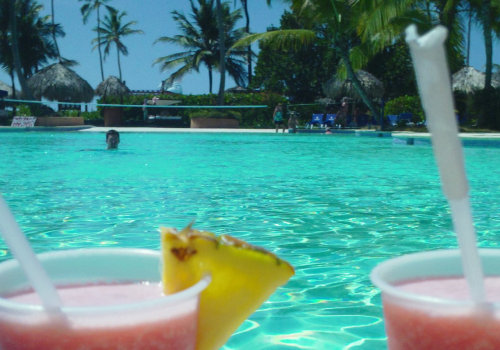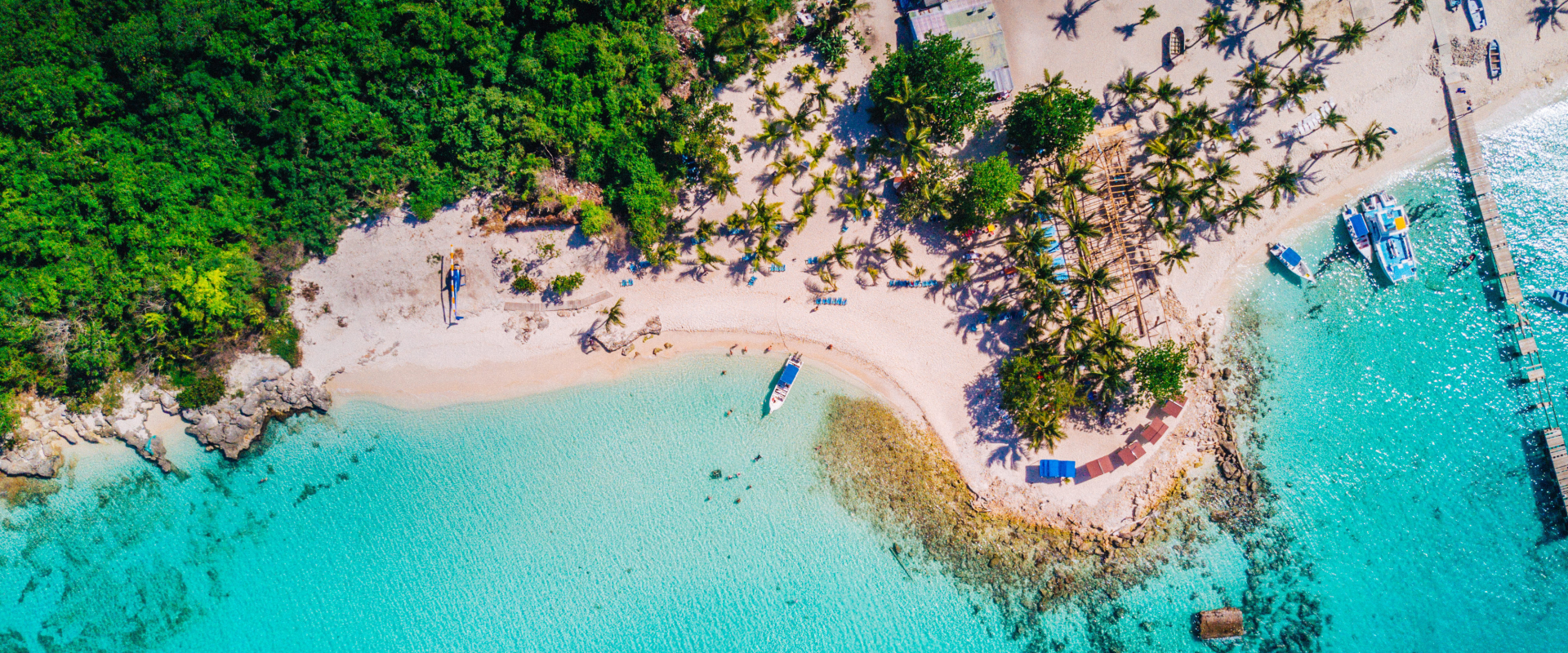
Punta Cana, located on the easternmost tip of the Dominican Republic, is renowned for its stunning beaches, crystal-clear waters, and vibrant nightlife. This tropical paradise attracts millions of visitors each year, offering a plethora of activities ranging from water sports to cultural excursions. With its all-inclusive resorts and picturesque landscapes, Punta Cana is often seen as the ultimate getaway for those seeking relaxation and adventure alike. However, while the allure of this destination is undeniable, it is crucial for travelers to remain vigilant and informed about their surroundings to ensure a safe and enjoyable experience.As you plan your trip to Punta Cana, it’s essential to familiarize yourself with some travel tips that can enhance your visit.
Understanding local customs, transportation options, and potential hazards can make a significant difference in your overall experience. For instance, while public transport may seem like a convenient option, it can be unreliable and unsafe during peak hours. Instead, consider using reputable taxi services or arranging transportation through your hotel to avoid unnecessary risks.Moreover, being aware of your environment is key to enjoying all that Punta Cana has to offer. From the breathtaking beauty of Macao Beach to the lively atmosphere of local markets, there are countless opportunities for exploration.
However, it’s important to exercise caution when engaging in activities such as swimming or hiking, as natural elements can pose risks if not approached with care. By taking the time to educate yourself on what to avoid in Punta Cana—such as wandering alone at night or neglecting sun protection—you can fully immerse yourself in the vibrant culture and stunning scenery without compromising your safety.
Understanding the Local Environment
Punta Cana, located on the easternmost tip of the Dominican Republic, is renowned for its stunning beaches and vibrant local culture. Understanding the geographical and cultural nuances of this region is essential for travelers looking to navigate their surroundings safely and enjoyably.Geography of Punta Cana
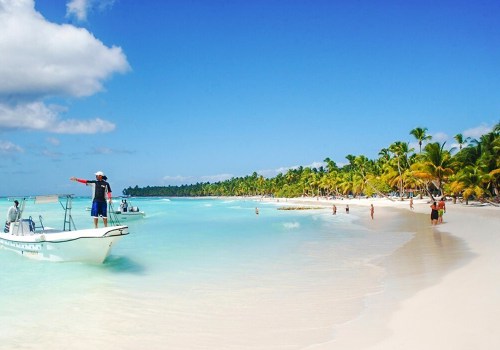
The area is characterized by its beautiful coastline, which stretches for miles along the Caribbean Sea. The beaches, such as Bavaro Beach and Macao Beach, are famous for their soft white sands and crystal-clear waters.
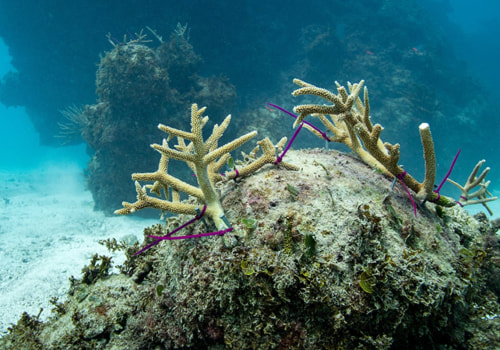
The region is also home to lush tropical vegetation, including palm trees and various native plants that contribute to its picturesque landscape.Punta Cana's geography includes several natural attractions, such as lagoons, coral reefs, and nearby islands like Saona Island. These features not only enhance the beauty of the area but also provide opportunities for various outdoor activities, including snorkeling, diving, and hiking.
Climate Considerations
The climate in Punta Cana is classified as tropical, with warm temperatures year-round. Average temperatures typically range from 75°F (24°C) to 88°F (31°C). The region experiences a wet season from May to October, which can bring heavy rainfall and occasional storms.
Travelers should be aware of these weather patterns when planning their activities.During the dry season, from November to April, the weather is generally more stable and ideal for beach outings and excursions. However, even during the wet season, rain showers are often brief and followed by sunshine, allowing visitors to enjoy their time outdoors.
Cultural Insights
The local culture in Punta Cana is a rich blend of Taino Indian heritage, African influences, and Spanish colonial history. This diverse background is reflected in the region's music, dance, and culinary traditions. Merengue and bachata are popular music genres that you might hear while exploring local venues or attending festivals.When it comes to cuisine, Punta Cana offers a delightful array of flavors.
Traditional dishes often feature fresh seafood, rice, beans, and tropical fruits. Engaging with local food not only enhances your travel experience but also supports the community.Understanding these cultural elements can help travelers connect more deeply with the local environment. Respecting customs and traditions will not only enrich your visit but also foster positive interactions with residents.In summary, being aware of Punta Cana's geography, climate, and culture will significantly enhance your travel experience. This knowledge will help you navigate potential safety concerns while allowing you to fully immerse yourself in the beauty and vibrancy of this Caribbean paradise.
Common Tourist Mistakes to Avoid
When visiting Punta Cana, it's easy to get swept up in the excitement of the beautiful beaches and vibrant culture.However, many tourists fall into common traps that can detract from their experience. Here are some frequent mistakes to avoid to ensure a safe and enjoyable trip.
- Neglecting to Research Local Customs: Understanding the local culture is crucial. Tourists often make the mistake of not familiarizing themselves with Dominican customs and etiquette. For instance, greeting locals with a friendly "Hola" can go a long way in establishing rapport.
- Overlooking Safety Precautions: While Punta Cana is generally safe, it's wise to stay vigilant.
Avoid walking alone at night in unfamiliar areas and keep your belongings secure. Always use hotel safes for valuables and be cautious when accepting unsolicited help from strangers.
- Ignoring Weather Conditions: The Caribbean sun can be intense, and many visitors underestimate its strength. Failing to apply sunscreen regularly or neglecting to stay hydrated can lead to sunburn or heat exhaustion. Always check the weather forecast before planning outdoor activities.
- Relying Solely on All-Inclusive Resorts: While all-inclusive resorts offer convenience, they can also limit your experience of the local culture.
Many tourists miss out on authentic Dominican cuisine and local attractions by staying within resort boundaries. Venture out to explore local markets and eateries for a more enriching experience.
- Using Unofficial Transportation: Public transport in Punta Cana can be unreliable, especially during peak hours. Tourists often make the mistake of using unofficial taxis or buses, which may not adhere to safety standards. Instead, opt for reputable transportation services or arrange transfers through your hotel.
- Disregarding Health Precautions: It's essential to stay informed about health advisories when traveling.
Some tourists overlook necessary vaccinations or precautions against mosquito-borne illnesses like dengue fever. Consult with a healthcare provider before your trip to ensure you are adequately prepared.
- Not Learning Basic Spanish Phrases: While many locals speak English, knowing a few basic Spanish phrases can enhance your interactions and show respect for the culture. Simple phrases like "por favor" (please) and "gracias" (thank you) can make a significant difference in your experience.
Transportation Tips: What to Avoid
When visiting Punta Cana, navigating the area can be a bit challenging, especially if you're unfamiliar with the local transportation options.While there are various ways to get around, some methods are safer and more reliable than others. Here’s a guide on what to avoid and how to ensure your travels in Punta Cana are both safe and enjoyable.
Avoid Public Buses During Peak Hours
Public buses, known as "carros públicos," can be a cost-effective way to travel in Punta Cana. However, it’s advisable to avoid using them during rush hours, typically early morning and late afternoon. These buses can become overcrowded, making for an uncomfortable ride and increasing the risk of theft or other safety concerns.
Steer Clear of Unofficial Taxis
While taxis are a common mode of transport in Punta Cana, it’s crucial to use only official taxi services.
Unofficial taxis may not have proper licensing or insurance, which can pose significant risks. Always look for taxis that are clearly marked and consider asking your hotel for recommendations or arranging transportation through them.
Be Cautious with Rental Cars
If you plan to rent a car, be aware that driving in Punta Cana can be quite different from what you might be used to. Roads may not always be well-maintained, and local driving habits can be unpredictable. If you do choose to rent a car, ensure you have comprehensive insurance and familiarize yourself with local traffic laws.
Consider Safer Alternatives
- Resort Shuttles: Many all-inclusive resorts offer shuttle services to popular attractions.
This is often the safest way to explore the area without worrying about transportation logistics.
- Private Transfers: Booking a private transfer in advance can provide peace of mind. These services are typically more reliable and allow for a more personalized experience.
- Guided Tours: Opting for guided tours not only enhances your experience but also ensures that you have safe transportation throughout your excursions.
Safety Precautions at Beaches and Water Activities
Punta Cana is renowned for its stunning beaches and vibrant water activities, making it a top destination for travelers seeking sun and adventure. However, while enjoying the beautiful coastline, it’s crucial to prioritize safety to ensure a memorable experience.Here are some essential safety precautions to consider when visiting the beaches and engaging in water activities in Punta Cana.
Understanding Beach Conditions
Before diving into the crystal-clear waters, take a moment to assess the beach conditions. Look for warning flags that indicate the safety of swimming:- Green Flag: Safe swimming conditions.
- Yellow Flag: Moderate surf; exercise caution.
- Red Flag: High surf or dangerous conditions; swimming is prohibited.
Swimming Tips
When swimming in Punta Cana, keep the following tips in mind:- Stay Aware of Currents: Some beaches, like Macao Beach, are known for strong currents. Always swim in designated areas and be cautious of sudden changes in water conditions.
- Buddy System: Never swim alone. Always have a friend or family member with you to ensure help is available if needed.
- Limit Alcohol Consumption: While enjoying a drink on the beach is tempting, excessive alcohol can impair your judgment and swimming ability.
Drink responsibly.
Water Activities Safety
Punta Cana offers a plethora of exciting water activities, from snorkeling to jet skiing. To enjoy these experiences safely, consider the following precautions:- Choose Reputable Operators: Always book excursions with licensed and reputable companies. Check reviews and ensure they follow safety regulations.
- Wear Life Jackets: Whether you’re kayaking or participating in a boat tour, always wear a life jacket, even if you’re a strong swimmer.
- Follow Instructions: Pay close attention to safety briefings provided by guides before engaging in any water activity. They are there to ensure your safety and enjoyment.
Remember that being informed and prepared is key to having an unforgettable experience in this tropical paradise.
Dining and Drinking: What to Watch Out For
When it comes to enjoying the culinary delights of Punta Cana, it's essential to be mindful of food safety and drinking water quality. While the region is known for its vibrant flavors and fresh ingredients, there are certain precautions you should take to ensure a safe and enjoyable dining experience.Food Safety Tips
To minimize the risk of foodborne illnesses while dining in Punta Cana, consider the following tips:- Choose Reputable Establishments: Opt for well-reviewed restaurants and eateries that are popular among both locals and tourists. High turnover often indicates fresher ingredients.
- Avoid Street Food: While street food can be tempting, it may not always adhere to strict hygiene standards. If you do indulge, ensure that the food is cooked thoroughly in front of you.
- Check Food Temperature: When ordering seafood or meat dishes, make sure they are served hot.
Cold dishes should be kept at a safe temperature to prevent bacterial growth.
- Be Cautious with Raw Foods: Raw or undercooked foods, such as sushi or ceviche, can pose health risks. If you're unsure about the preparation methods, it's best to avoid these options.
Drinking Water Safety
Access to clean drinking water is crucial for a healthy trip. Here are some guidelines to follow regarding water safety in Punta Cana:- Bottled Water is Best: Always opt for bottled water, especially when dining out or if you're unsure about the tap water quality. Ensure that the seal on the bottle is intact before consuming.
- Avoid Ice Cubes: Ice may be made from tap water, which can lead to stomach issues.
Request drinks without ice or ensure that the ice is made from purified water.
- Stay Hydrated: The tropical climate can lead to dehydration, so drink plenty of bottled water throughout your stay. This will help you enjoy all the activities Punta Cana has to offer without feeling sluggish.
Cultural Sensitivity: Do's and Don'ts
When visiting Punta Cana, understanding and respecting local customs is crucial for a fulfilling travel experience. The Dominican Republic has a rich cultural heritage, and being culturally sensitive can enhance your interactions with locals and help you avoid unintentional offenses.Here are some essential do's and don'ts to keep in mind.
Do's
- Learn Basic Spanish Phrases: While many Dominicans in tourist areas speak English, making an effort to learn a few basic Spanish phrases can go a long way. Simple greetings like "Hola" (Hello) or "Gracias" (Thank you) show respect for the local language and culture.
- Dress Appropriately: While Punta Cana is known for its beautiful beaches, it’s important to dress modestly when visiting local towns or religious sites. Swimwear should be reserved for the beach, and casual but respectful clothing is recommended in other settings.
- Respect Local Customs: Familiarize yourself with local traditions and practices. For instance, it’s customary to greet people with a handshake or a friendly nod.
Understanding these social norms can help you connect better with the locals.
- Support Local Businesses: Engage with local artisans, markets, and restaurants. Not only does this support the economy, but it also allows you to experience authentic Dominican culture.
Don'ts
- Avoid Disrespectful Behavior: Public displays of affection may be frowned upon in more conservative areas. Always be mindful of your surroundings and adjust your behavior accordingly.
- Don’t Take Photos Without Permission: While capturing memories is important, always ask for permission before taking photos of people, especially children. This shows respect for their privacy and cultural norms.
- Refrain from Discussing Sensitive Topics: Avoid conversations about politics, religion, or any negative stereotypes about the Dominican Republic.
These topics can be sensitive and may lead to uncomfortable situations.
- Don’t Assume All Locals Are Tour Guides: While many locals are friendly and willing to help, not everyone is a tour guide. If you need assistance, consider hiring a professional guide rather than relying on random individuals.
Health Precautions: Staying Safe During Your Trip
When planning a trip to Punta Cana, it’s essential to prioritize your health and well-being. Understanding the local health landscape can help you enjoy your vacation without unnecessary worries.Here are some key health precautions to consider before and during your stay.
Vaccinations and Health Preparations
Before traveling to Punta Cana, check with your healthcare provider about recommended vaccinations. The Centers for Disease Control and Prevention (CDC) suggests that travelers be up-to-date on routine vaccines, as well as consider the following:- Hepatitis A: This vaccine is recommended for most travelers, as the virus can be transmitted through contaminated food or water.
- Typhoid: If you plan to eat or drink outside of major hotels and restaurants, this vaccine is advisable.
- Hepatitis B: This is particularly important if you might have sexual contact with locals or require medical treatment during your stay.
- Rabies: Consider this vaccine if you plan to engage in outdoor activities that may expose you to animals.
Health Risks in Punta Cana
While Punta Cana is generally safe for tourists, there are some health risks to be aware of:- Water Quality: Tap water in the Dominican Republic may not be safe to drink. Always opt for bottled water, and ensure that the seal is intact before purchasing.
- Food Safety: To avoid foodborne illnesses, eat at reputable restaurants and avoid street food unless you are confident in its preparation.
- Insect-Borne Diseases: Mosquitoes can carry diseases such as dengue fever and Zika virus. Use insect repellent containing DEET, wear long sleeves and pants, and consider staying in accommodations with air conditioning or screens on windows.
Staying Healthy During Your Trip
Once you arrive in Punta Cana, maintaining good health practices will enhance your experience:- Stay Hydrated: The tropical climate can lead to dehydration.
Drink plenty of fluids, especially if you’re spending time outdoors.
- Sunscreen Use: Protect your skin from the sun’s harmful rays by applying a broad-spectrum sunscreen with at least SPF 30.
- Know Your Limits: Whether it’s indulging in local cuisine or participating in adventurous activities, listen to your body and don’t overdo it.
Emergency Contacts and Resources
When traveling to Punta Cana, it’s crucial to be prepared for any emergencies that may arise. Knowing where to find help and who to contact can make a significant difference in your experience. Below are essential emergency contacts and resources available to tourists in Punta Cana.Emergency Numbers
- Police: Dial 911 for immediate assistance from the police.
This number is available for all types of emergencies, including theft or personal safety concerns.
- Ambulance Services: For medical emergencies, you can also call 911. However, it’s advisable to have the contact number of a local hospital handy as well.
- Fire Department: In case of fire, you can reach the fire department by calling 911.
Local Hospitals and Clinics
If you require medical attention, several hospitals and clinics in Punta Cana cater to tourists:- Punta Cana Medical Center: Located in the heart of Punta Cana, this facility offers comprehensive medical services and is equipped to handle emergencies.
- Clinica Dr. M. R. de la Cruz: A well-regarded clinic that provides various medical services, including urgent care.
- Hospital General de la Plaza de la Salud: Although a bit farther away, this hospital is known for its quality care and specialized services.
Tourist Assistance
The Dominican Republic has a dedicated tourist police force known as Policía Turística.They are stationed in popular tourist areas and can assist with various issues, from lost belongings to safety concerns. You can identify them by their distinctive uniforms and they are generally friendly and helpful.
Local Resources for Tourists
In addition to emergency contacts, there are several resources available to help tourists navigate their stay in Punta Cana:- Your Hotel or Resort: Most hotels have a concierge service that can assist with local information, transportation, and emergency contacts.
- Tourist Information Centers: These centers provide maps, brochures, and advice on local attractions and safety tips.
- Online Resources: Websites like TripAdvisor or local tourism boards offer valuable insights into what to do in case of an emergency and how to stay safe while enjoying your trip.
<strong>Conclusion</strong>: Key Takeaways for a Safe Trip to Punta Cana
As you prepare for your adventure in Punta Cana, it’s essential to keep in mind the key takeaways that will help ensure a safe and enjoyable experience. This beautiful destination offers stunning beaches, vibrant culture, and a plethora of activities, but being aware of potential risks can make all the difference in your trip.Punta Cana travel summary:
The allure of Punta Cana lies in its breathtaking landscapes and diverse attractions. From the pristine shores of Macao Beach to the exhilarating ziplining experiences, there is something for everyone.
However, understanding the local environment and customs is crucial. Familiarize yourself with the area, including safe zones and local hotspots, to enhance your travel experience.
Safe travel tips for Punta Cana:
To maximize your safety while enjoying all that Punta Cana has to offer, consider the following tips:
- Research transportation options: Avoid public buses during peak hours and opt for reputable taxi services or organized tours instead.
- Stay hydrated and protect yourself from the sun: The tropical climate can be intense; drink plenty of water and apply sunscreen regularly.
- Be cautious with food and drink: While indulging in local cuisine is a must, ensure that you choose well-reviewed restaurants to avoid any health issues.
- Respect local customs: Understanding and adhering to cultural norms will not only enrich your experience but also foster goodwill with locals.
- Keep valuables secure: Use hotel safes for important items and avoid displaying expensive belongings in public.
Final thoughts on visiting Punta Cana:
In conclusion, Punta Cana is a remarkable destination that promises unforgettable memories. By staying informed about potential risks and following safety guidelines, you can fully immerse yourself in the beauty and excitement this region has to offer. Whether you’re lounging on the beach, exploring local culture, or embarking on thrilling adventures, a little preparation goes a long way in ensuring a safe and enjoyable trip.
Embrace the spirit of adventure while keeping safety at the forefront of your travel plans!.