Punta Cana · Know the coast before you go.
Understanding the Safety of Punta Cana: Are Sharks a Threat to Beachgoers?
Discover the truth about sharks in Punta Cana and learn how to enjoy a safe beach experience in this tropical paradise.
Punta Cana, located on the eastern tip of the Dominican Republic, is renowned for its stunning beaches, crystal-clear waters, and vibrant marine life. This tropical paradise attracts millions of visitors each year, eager to bask in the sun and enjoy a variety of water activities. From snorkeling and scuba diving to simply lounging on the soft sands, Punta Cana offers an idyllic escape for beachgoers. However, with the allure of its beautiful coastline comes a common concern: the presence of sharks in the surrounding waters. While many people envision sharks as fearsome predators lurking just beneath the surface, it’s essential to understand the reality of marine life in Punta Cana. Punta Cana, located on the eastern tip of the Dominican Republic, is renowned for its stunning beaches, crystal-clear waters, and vibrant marine life. This tropical paradise attracts millions of visitors each year, eager to bask in the sun and enjoy a variety of water activities. From snorkeling and scuba diving to simply lounging on the soft sands, Punta Cana offers an idyllic escape for beachgoers. However, with the allure of its beautiful coastline comes a common concern: the presence of sharks in the surrounding waters. While many people envision sharks as fearsome predators lurking just beneath the surface, it’s essential to understand the reality of marine life in Punta Cana.
The region is home to a diverse ecosystem that includes not only sharks but also colorful fish, sea turtles, and vibrant coral reefs. Despite this rich biodiversity, shark attacks are exceedingly rare in Punta Cana. The natural geography of the area, including its protective coral reefs, significantly reduces the likelihood of encounters between humans and these majestic creatures. As you plan your beach vacation to Punta Cana, it’s crucial to prioritize safety while also appreciating the beauty of its marine environment. Understanding the local wildlife and their behaviors can help alleviate fears and enhance your overall experience.
In this article, we will delve deeper into the realities of shark presence in Punta Cana, explore beach safety tips for visitors, and highlight the importance of respecting marine life while enjoying all that this stunning destination has to offer.
The Geography of Punta Cana: A Natural Barrier Against Sharks
Punta Cana, located on the eastern tip of the Dominican Republic, is renowned for its stunning beaches and crystal-clear waters. However, what many visitors may not realize is that the geography of this tropical paradise plays a crucial role in ensuring a safe swimming environment. One of the most significant geographical features of Punta Cana is its extensive coral reef system, which acts as a natural barrier against potential shark encounters.Coral Reefs: Nature's Shield
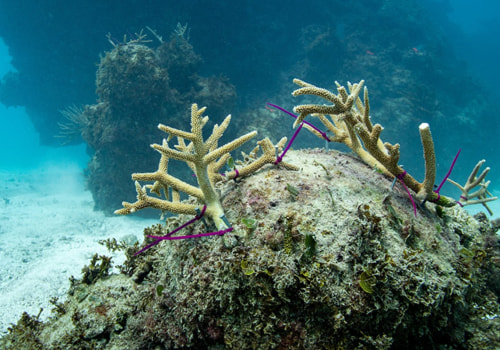
The coral reefs surrounding Punta Cana are not just beautiful underwater landscapes; they serve as vital ecosystems that support a diverse range of marine life. These reefs create a protective barrier that limits the movement of larger marine predators, including sharks.
The shallow waters near the shore are typically less favorable for sharks, who prefer deeper waters where they can hunt more effectively.
Additionally, the coral reefs provide a habitat for numerous smaller fish species, which thrive in these vibrant ecosystems. This abundance of smaller fish attracts snorkelers and divers, allowing them to experience the rich biodiversity without the fear of encountering sharks.
Shallow Waters and Shark Behavior
Sharks are generally found in deeper waters where they can hunt for larger prey. The shallow coastal areas of Punta Cana, characterized by sandy bottoms and vibrant coral formations, are not ideal habitats for these apex predators. As a result, the likelihood of encountering sharks while swimming or engaging in water sports is significantly reduced.
Environmental Factors
Moreover, environmental factors such as water temperature and salinity also influence shark behavior.
The warm waters around Punta Cana are conducive to a variety of marine life but do not necessarily attract large shark populations. The combination of these geographical and environmental elements creates a unique setting that prioritizes safety for beachgoers. In conclusion, the geography of Punta Cana, particularly its coral reefs and shallow coastal waters, plays an essential role in minimizing the risk of shark encounters. Visitors can enjoy their beach vacations with peace of mind, knowing that nature has provided a protective barrier against these ocean predators.
Types of Sharks Found in Dominican Waters
The waters surrounding the Dominican Republic, particularly around Punta Cana, are home to a variety of shark species. While the presence of these magnificent creatures can be intimidating, understanding their behaviors and habitats can help alleviate concerns for beachgoers.Common Shark Species in Dominican Waters
-
Caribbean Reef Shark : This species is one of the most commonly encountered sharks in the region.
Typically found near coral reefs, Caribbean reef sharks are known for their curious nature. They can grow up to 8 feet long and are generally not aggressive towards humans unless provoked.
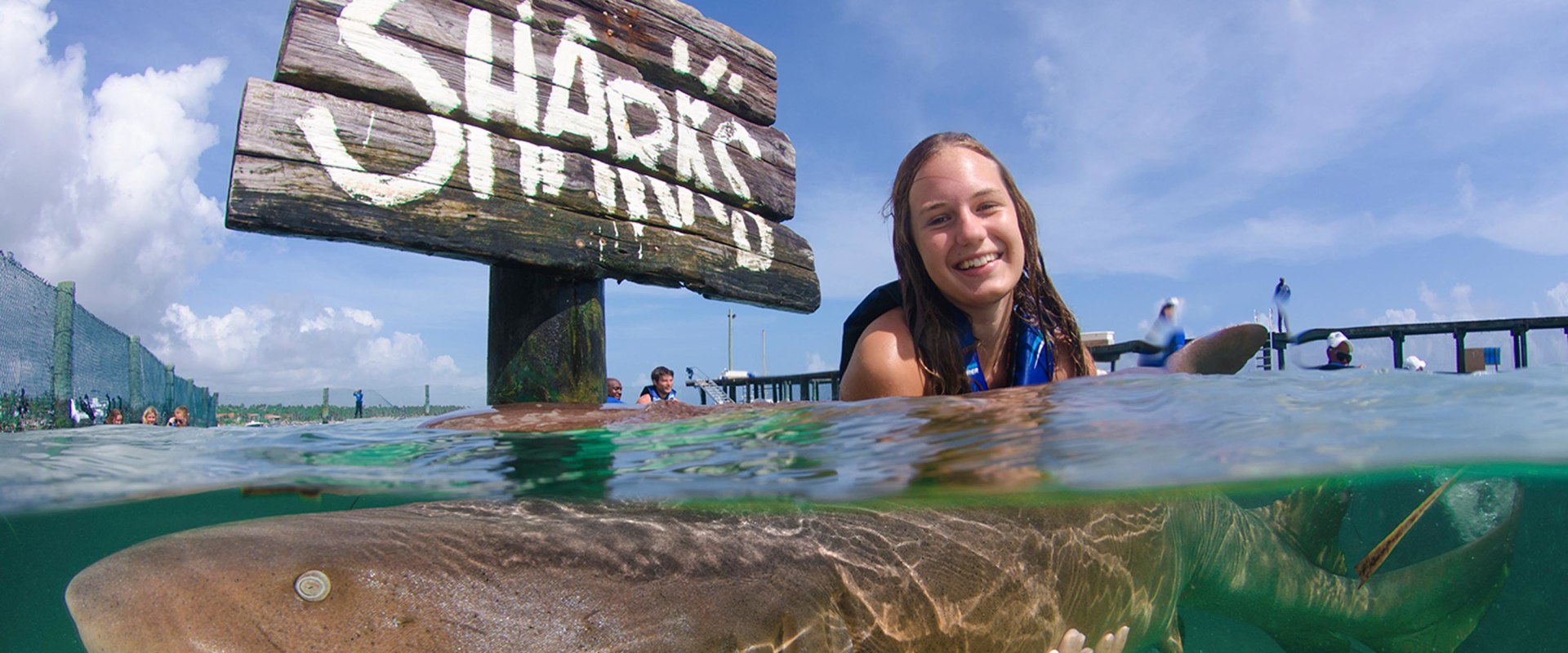
- Nurse Shark : Often seen resting on the ocean floor, nurse sharks are relatively docile and pose little threat to swimmers. They can be identified by their distinctive flattened bodies and can reach lengths of up to 14 feet. These sharks are primarily nocturnal feeders, hunting for fish and crustaceans.
-
Hammerhead Shark : Known for their unique head shape, hammerhead sharks are occasionally spotted in deeper waters off the coast.
While they can be large, reaching lengths of up to 20 feet, they are generally not a threat to humans unless they feel threatened.
- Great White SharkGreat White Shark : Although sightings are rare, great white sharks do inhabit the Atlantic waters surrounding the Dominican Republic. These apex predators are known for their size and power but tend to avoid shallow coastal areas where most beach activities occur.
Shark Behavior and Human Interaction
Sharks are often misunderstood creatures. Most species found in Dominican waters are not aggressive towards humans. In fact, many sharks prefer to avoid contact with people altogether.Their primary focus is on hunting smaller fish and other marine life. Shark behavior varies significantly among species. For instance, while nurse sharks may be seen lounging on the ocean floor, Caribbean reef sharks exhibit more curiosity and may approach divers or snorkelers out of interest rather than aggression. Understanding these behaviors can help beachgoers feel more at ease when enjoying the beautiful waters of Punta Cana. In conclusion, while there are several shark species in the waters around Punta Cana, the risk they pose to beachgoers is minimal. By respecting their habitat and maintaining awareness of your surroundings, you can enjoy a safe and memorable experience in this tropical paradise.
Shark Attacks: Statistics and Reality in Punta Cana
When considering a vacation in Punta Cana, many travelers may have concerns about the presence of sharks and the potential for shark attacks.However, it is essential to understand the statistics and realities surrounding these incidents to alleviate any fears. According to the International Shark Attack File (ISAF), the Caribbean region, which includes Punta Cana, has recorded a relatively low number of shark attacks over the years. In fact, from 2000 to 2020, the Dominican Republic reported only a handful of unprovoked shark attacks, with most incidents occurring in areas far from popular tourist beaches. To put this into perspective, here are some key statistics:
- Global Context: The United States averages about 16 shark attacks per year, while the Caribbean sees significantly fewer incidents.
- Dominican Republic Data: Between 1900 and 2020, there were only 10 confirmed unprovoked shark attacks in the Dominican Republic, with no fatalities reported.
- Punta Cana Specifics: There have been no recorded shark attacks on beachgoers in Punta Cana itself, making it one of the safest beach destinations in the Caribbean.
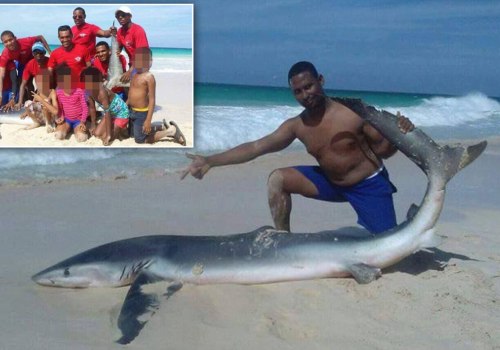
In fact, many sharks are more interested in smaller fish and marine life than in interacting with people. The fear of shark attacks often stems from sensationalized media coverage rather than actual statistics. In conclusion, while it is wise to be aware of your surroundings when enjoying the beautiful beaches of Punta Cana, the reality is that shark attacks are exceedingly rare. By understanding these statistics and recognizing that Punta Cana remains a safe destination for beachgoers, visitors can focus on enjoying their vacation without unnecessary worry.
Other Marine Life to Be Aware Of While Swimming in Punta Cana
While the waters of Punta Cana are generally safe for swimming, it’s essential to be aware of other marine life that can pose risks to beachgoers. Understanding these creatures and how to avoid potential hazards can enhance your beach experience.Jellyfish
are one of the most common marine creatures that swimmers may encounter.
These gelatinous animals can be found in various sizes and colors, and some species possess stinging cells that can cause painful reactions. In Punta Cana, the presence of jellyfish can vary depending on the season and water conditions. To minimize the risk of a jellyfish sting:
- Always check local advisories or ask lifeguards about jellyfish sightings before entering the water.
- Wear a protective wetsuit or rash guard if you know jellyfish are prevalent in the area.
- Avoid swimming during peak jellyfish season, which typically occurs in warmer months.
Stepping on a sea urchin can result in painful puncture wounds due to their sharp spines. To protect yourself from these prickly inhabitants:
- Wear water shoes when walking in shallow waters or rocky areas.
- Be mindful of where you step, especially when exploring tide pools or coral formations.
- If you do get stung, seek medical attention to properly remove any spines and treat the wound.
Lionfish, known for their venomous spines, should not be touched or provoked. By staying informed about these marine creatures and taking necessary precautions, you can enjoy a safe and memorable swimming experience in Punta Cana. Always prioritize safety by being aware of your surroundings and respecting the natural habitat of these fascinating ocean dwellers.
Safety Tips for Beachgoers in Punta Cana
When visiting the stunning beaches of Punta Cana, ensuring your safety while enjoying the sun and surf is paramount. Here are some essential safety tips to keep in mind:- Check Local Conditions: Before heading to the beach, always check the local weather and water conditions. Look for any posted warnings about strong currents or jellyfish sightings, which can affect swimming safety.
-
Swim in Designated Areas: Stick to areas marked for swimming.
These zones are monitored by lifeguards and are generally safer than unmarked areas where currents may be unpredictable.
- Be Aware of Rip Currents: Rip currents can be dangerous for swimmers. If you find yourself caught in one, remain calm, swim parallel to the shore until you are free from the current, and then swim back to the beach.
- Stay Hydrated: The tropical sun can be intense, so drink plenty of water throughout the day. Dehydration can lead to fatigue and impair your ability to swim safely.
- Use Sunscreen: Protect your skin from harmful UV rays by applying a broad-spectrum sunscreen with at least SPF 30. Reapply every two hours, especially after swimming.
-
Observe Wildlife Caution: While shark attacks are rare in Punta Cana, it’s wise to be cautious around marine life.
Avoid swimming near schools of fish or areas where fishing is taking place.
- Follow Lifeguard Instructions: Pay attention to lifeguard signals and instructions. They are trained professionals who can provide valuable information about current conditions and safety protocols.
- Travel with a Buddy: Whenever possible, swim with a friend or family member. Having someone nearby can enhance safety and provide assistance if needed.
The Role of Local Authorities in Ensuring Beach Safety
Ensuring the safety of beachgoers in Punta Cana is a top priority for local authorities, who implement a variety of measures to create a secure environment for both tourists and residents.The stunning beaches of Punta Cana attract millions of visitors each year, and with this influx comes the responsibility to maintain safety standards that protect everyone enjoying the sun and surf. One of the most visible aspects of beach safety in Punta Cana is the presence of lifeguards. Trained professionals are stationed at popular beaches, ready to respond to emergencies and provide assistance to swimmers. These lifeguards are equipped with the necessary skills to handle various situations, from rescuing distressed swimmers to administering first aid. Their presence not only enhances safety but also provides peace of mind for those enjoying the water. In addition to lifeguards, local authorities have established clear warning signs along the beaches.
These signs communicate important information regarding water conditions, such as current strength, wave height, and potential hazards like jellyfish or rocky areas. By keeping beachgoers informed, these signs play a crucial role in preventing accidents and ensuring that visitors can make educated decisions about their activities. Emergency protocols are another critical component of beach safety in Punta Cana. Local authorities have developed comprehensive plans that outline procedures for various emergency scenarios, including medical emergencies, natural disasters, or even shark sightings. These protocols ensure that lifeguards and other emergency personnel can respond swiftly and effectively, minimizing risks to beachgoers. Furthermore, collaboration between local government agencies and tourism organizations enhances safety measures.
Regular training sessions for lifeguards and emergency responders ensure that they are up-to-date with the latest safety practices and technologies. This ongoing education is vital in maintaining high standards of safety on Punta Cana's beaches. In summary, local authorities in Punta Cana take significant steps to ensure beach safety through the presence of lifeguards, informative warning signs, and well-established emergency protocols. These efforts not only protect visitors but also contribute to a positive experience for everyone enjoying the beautiful coastline.
Frequently Asked Questions About Sharks and Safety in Punta Cana
When planning a trip to Punta Cana, many travelers have questions about the safety of swimming in its beautiful waters, particularly concerning sharks. Here are some frequently asked questions that can help clarify any concerns you may have.Are there sharks in the waters around Punta Cana?
Yes, there are sharks in the surrounding waters of Punta Cana, but they are not a threat to beachgoers.The species found in these areas are typically small and not known for aggressive behavior. The coral reefs that line the coast serve as a natural barrier, significantly reducing the likelihood of shark encounters.
How common are shark attacks in Punta Cana?
Shark attacks are extremely rare in Punta Cana. In fact, the Dominican Republic has recorded very few incidents over the years. Most sharks prefer deeper waters and tend to avoid areas populated by humans.Tourists can enjoy swimming and snorkeling without significant fear of shark-related incidents.
What should I do if I see a shark while swimming?
If you happen to spot a shark while swimming, remain calm. Most sharks are not interested in humans and will swim away if left undisturbed. It’s advisable to slowly and smoothly swim back to shore without splashing or panicking.Are there other marine creatures I should be aware of?
While sharks are often the focus of concern, other marine life can pose risks as well. Jellyfish , for example, can be found in these waters and may cause painful stings.It’s wise to be cautious and aware of your surroundings while swimming.
What safety measures can I take while swimming in Punta Cana?
- Swim in designated areas: Always swim in areas marked for swimming, where lifeguards are present.
- Avoid swimming at dawn or dusk: These times are when many marine animals are most active.
- Stay in groups: Sharks tend to avoid larger groups of people.
- Follow local advice: Pay attention to any warnings or advice from local authorities or lifeguards.
Conclusion: Enjoying a Safe Beach Experience in Punta Cana
In conclusion, while the waters surrounding Punta Cana do host various species of sharks, the likelihood of encountering them during your beach vacation is exceedingly low. The natural coral reefs that line the coastline serve as a protective barrier, significantly reducing the chances of shark interactions with beachgoers. This means that visitors can enjoy the stunning beaches and crystal-clear waters without undue concern about these magnificent creatures. It is essential to remember that shark attacks are extremely rare in this region. The Dominican Republic has a well-documented history of minimal shark-related incidents, particularly in tourist-frequented areas like Punta Cana.Most sharks found in these waters are not aggressive and tend to avoid human contact. Therefore, the perception of sharks as a significant threat to beachgoers is largely unfounded. To ensure a safe and enjoyable experience while visiting Punta Cana, consider the following tips:
- Stay Informed: Before heading out to swim or engage in water sports, check local advisories and speak with lifeguards or resort staff about any recent sightings or safety recommendations.
- Swim in Designated Areas: Always swim in areas marked for swimming and avoid venturing too far from shore. These zones are monitored for safety and are less likely to have any marine wildlife.
- Be Mindful of Time: Sharks are more active during dawn and dusk. If you plan to swim, consider doing so during midday when visibility is better and shark activity is typically lower.
-
Avoid Splashing: Excessive splashing can attract curious marine life.
Try to remain calm and avoid sudden movements while in the water.
- Respect Marine Life: If you do encounter a shark or any other marine creature, maintain a respectful distance and do not attempt to touch or provoke it.